
Turn Clicks Into Customers: What Is Really Going Wrong
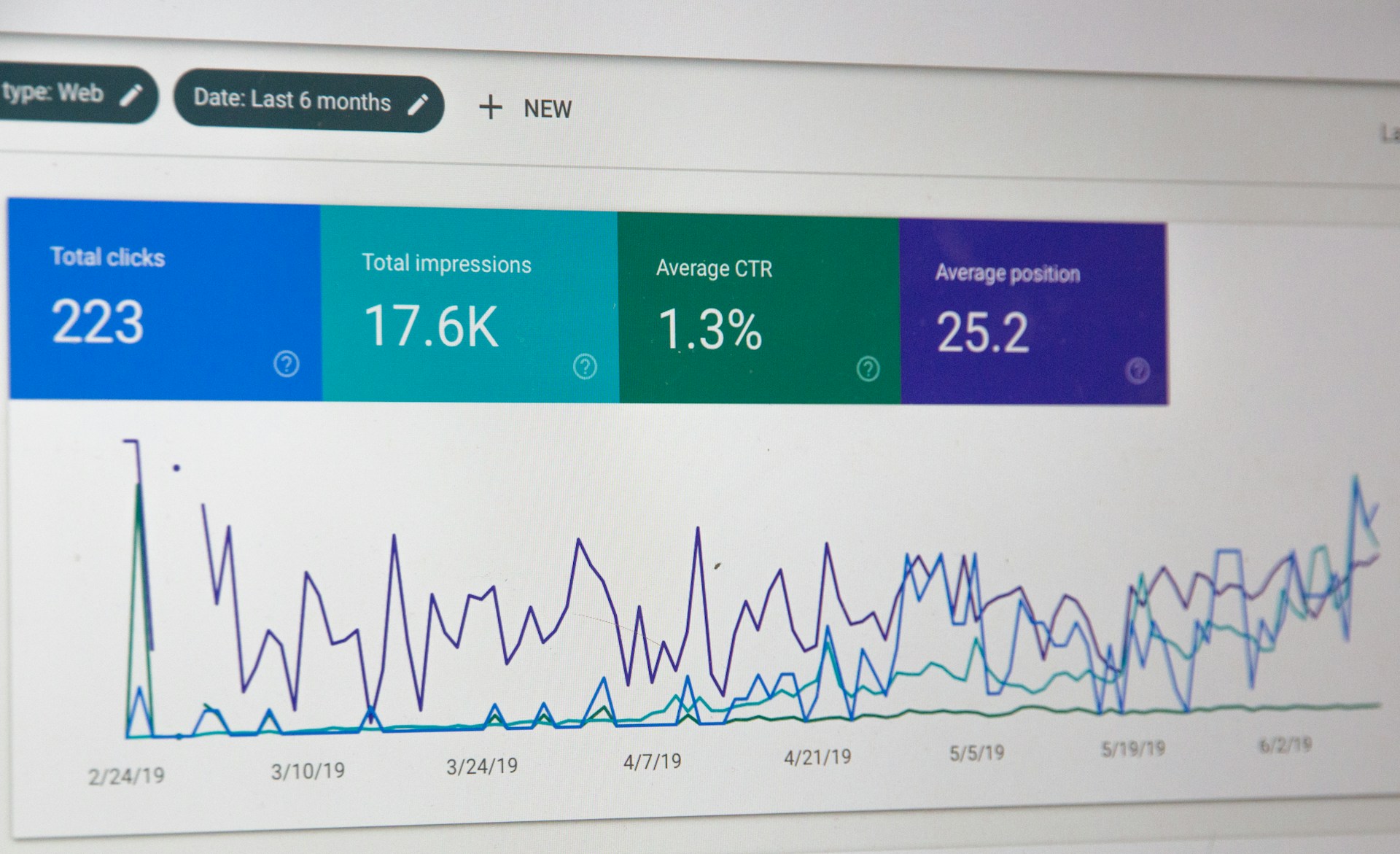
Your ads are getting plenty of impressions and a decent number of clicks, but sales, enquiries or bookings are barely moving. You increase your budget, tweak a few headlines, maybe even try a new audience, yet the results still feel underwhelming. If that sounds familiar, the issue is rarely the ads alone; it is usually what happens after someone clicks.
The ideal path looks simple on paper. Someone sees your ad, clicks through to a relevant landing page, understands your offer, trusts your business, and takes the next step. In reality, there are many points where this can fall apart. When a landing page is not converting traffic, you are paying for visitors who were never likely to become customers. At Your Digital Solution in Brisbane, we focus on the full funnel, so ads and websites work together, not against each other.
When Your Ad and Landing Page Tell Different Stories
One of the biggest reasons a landing page is not converting traffic is message mismatch. The ad might promote a specific offer, price point or benefit, but the landing page talks about something else. For example, the ad promises a free quote, yet the page pushes a general brochure download, or the ad focuses on one service but the page lists every service your business has ever offered.
This disconnect can also show up as a tone or positioning shift. If your ad feels friendly, clear and benefit-focused, but your page is full of jargon or generic waffle, people lose confidence quickly. They clicked for a reason, and if that reason is not acknowledged immediately in the headline and first paragraphs, they hit the back button.
There is also intent mismatch. If your keyword targeting or audience settings are too broad, you attract people who are curious but not ready to buy. They click to have a look, but the content does not match their intent, so they bounce. You might see strong click-through rates in your ad account, yet your analytics tell a different story: short sessions, low engagement, and no conversions.
To align everything, think of the ad and landing page as one conversation. The promise you make in the ad should be the first thing people see on the page. That means:
- Matching headlines to ad copy and keywords
- Showing the same or very similar imagery used in the ads
- Repeating the core offer, price or benefit above the fold
- Using a call-to-action that continues the same idea, not a new one
When this alignment is tight, visitors feel they have arrived in the right place, which is the first step towards conversion.
User Experience Roadblocks That Kill Conversions
Even with a strong message match, usability problems can quietly sabotage results. Slow load times, especially on mobile, are a common culprit. People click an ad, the page hangs for a few seconds, and by the time it finally appears, they have lost patience. Cluttered layouts, tiny fonts and low-contrast colours make it hard to scan, and attention drifts away from your main call-to-action.
Trust is another major factor. If your business is based in Australia but your page hides contact details, looks outdated or feels generic, visitors hesitate. They are asking themselves whether you are real, local, and reliable. Without clear signals like location details, genuine social proof, and straightforward explanations of what happens next, that hesitation turns into inaction.
Forms and checkouts can introduce more friction. Common issues include:
- Asking for too many details upfront
- Confusing steps with no progress indicator
- Forcing account creation before a simple enquiry
- Requesting sensitive information before trust is built
When people experience even a small bit of friction, they often abandon the process without telling you why. This is usually when business owners say, “My landing page is not converting traffic, but I do not know what is wrong.” A structured user experience audit helps pinpoint these hidden blockers by reviewing design, content, technical performance and behaviour data together.
Offers, Copy and Calls-to-Action That Actually Motivate
If the offer is weak, even a perfectly designed landing page will struggle. A generic button that says “Contact Us” or “Learn More” rarely motivates busy users who are comparing multiple options at once. They want to know exactly what they get, how long it takes, and why it is worth their effort right now.
Clear, benefit-led copy is far more compelling. Instead of talking about features or internal processes, speak to outcomes. For example, Get Your Free Strategy Call makes the next step concrete. Book a Quote in 60 Seconds sets a clear expectation on time and effort. By reducing uncertainty, you increase the likelihood of action.
Relevance is especially important for Australian audiences. Small touches can make a big difference, such as:
- Using Australian spelling and familiar terms
- Referencing local conditions or regulations where appropriate
- Highlighting that your support and team are local
- Addressing common concerns like hidden fees or long lock-in contracts
If your landing page is not converting traffic, reshaping the offer and CTA is often more effective than simply spending more on ads. You are making the most of the visitors you already have, rather than paying for more of the same result.
Measuring, Testing and Fixing Leaks in Your Funnel
Without proper tracking, you are guessing. Analytics tools allow you to see how many visitors come from each campaign, what they do on your landing page, and where they exit. Setting up clear goals or conversion events for actions like form submissions, phone clicks or bookings turns vague performance into concrete numbers.
Once tracking is in place, A/B testing helps you learn what actually works. Instead of arguing over which headline is better, you run both versions and let the data decide. You can test different images, layouts, form lengths, and even different offers. Small, measured experiments compound into meaningful improvements over time.
When reviewing performance, it helps to look beyond clicks and focus on metrics such as:
- Conversion rate
- Cost per lead or enquiry
- Bounce rate
- Time on page
- Scroll depth
Each metric hints at a different issue. High bounce rate with low scroll depth suggests the above-the-fold content is not convincing enough. Good engagement but low conversions might indicate form friction or a weak offer. By combining web design insight, SEO knowledge about user intent, and paid media data, we can systematically improve a landing page that is not converting traffic instead of guessing in the dark.
Turn Wasted Ad Spend Into Measurable Growth
Clicks on their own do not grow a business; conversions do. When you fix what happens after the click, your existing ad spend can start delivering more leads and sales without necessarily increasing your budget. That is usually the fastest path to better ROI, because you are working with traffic you are already paying for.
If you are currently frustrated that your ads appear to be working but enquiries or bookings are not, review the full path from ad to conversion. Check whether the message matches, whether the user experience is smooth, whether the offer is genuinely compelling, and whether your tracking reveals where people drop off. By treating the funnel as one connected system rather than isolated parts, it becomes far easier to understand why your landing page is not converting traffic and what to change next.
Get Started With Your Project Today
If you are frustrated with a landing page not converting traffic, we can help you turn that missed opportunity into real leads and sales. At Your Digital Solution, we review your current setup, identify what is holding conversions back, and implement practical improvements tailored to your audience. Reach out to our team today via our contact page and let us help you get more value from every visitor.