
Getting Clear on What You Can Afford to Invest
Working out how much to spend on Google Ads in Australia starts with a simple truth: there is no single right budget for everyone. A local plumber in Brisbane, an online fashion store and a national finance brand will all face very different costs and profit margins. If you copy a random budget you saw in a Facebook group, you will almost certainly be over or under investing for your situation.
When we talk about Google Ads cost in Australia, we are really talking about how much you can profitably invest, not just what you feel comfortable spending. There is a big difference between treating it like gambling money you can afford to lose, and treating it like a marketing channel you expect to return profit. Good advertisers focus on the second approach.
To do that, you need to know your numbers. Before setting a budget, get clear on your revenue targets, average sale value, gross margin, and how much a lead or customer is worth to your business. That way you can judge Google Ads not on gut feel, but on whether it is bringing in profitable sales at a cost you can sustain.
Key Factors That Drive Google Ads Cost in Australia
The first big driver of Google Ads cost in Australia is your industry and competition. Legal, finance, trades, and healthcare often attract higher costs per click, because many businesses are bidding on the same high-intent keywords and the value of each client can be significant. On the other hand, some niche B2B services or very specific local searches can be more affordable, as fewer advertisers are competing for the same audience.
Location also matters. Targeting Brisbane, Sydney or Melbourne will usually cost more per click than targeting smaller regional areas, simply because more advertisers are bidding in the major cities. Even within a city, your targeting radius and audience filters will affect cost. If you chase everyone within 100 kilometres, you may pay for less relevant clicks, while a tighter area focused on your real service zone can bring costs down and improve lead quality.
Campaign type and intent are the third key factor. Search campaigns target people actively looking for your product or service right now, so clicks are often more expensive but conversion rates can be stronger. Display campaigns and YouTube are usually cheaper per click, but the intent is lower because you are interrupting people instead of responding to a search. Performance Max mixes multiple networks and relies heavily on Google’s automation. On top of that, brand keywords (your own business name) are usually cheap, generic terms are mid-range and competitor keywords can be some of the most expensive, even though they do not always convert as well.
How to Calculate a Smart Starting Budget
A smart Google Ads budget starts by working backwards from your goals. For example, say you want an extra amount of revenue per month. You know your average sale value, so you can estimate how many sales you need. Once you have a target sales number, you can work out how many leads you typically need to close one sale, then how many clicks you need to generate that number of leads, based on your expected conversion rate.
In simple terms, you can think about it like this: Revenue target, divided by average sale value, gives you target sales. Target sales, multiplied by leads per sale, gives you required leads. Required leads, divided by conversion rate, gives you required clicks. Required clicks, multiplied by estimated cost per click, gives you an estimated monthly budget. It will never be perfect, but it gives you a logical starting point instead of guessing.
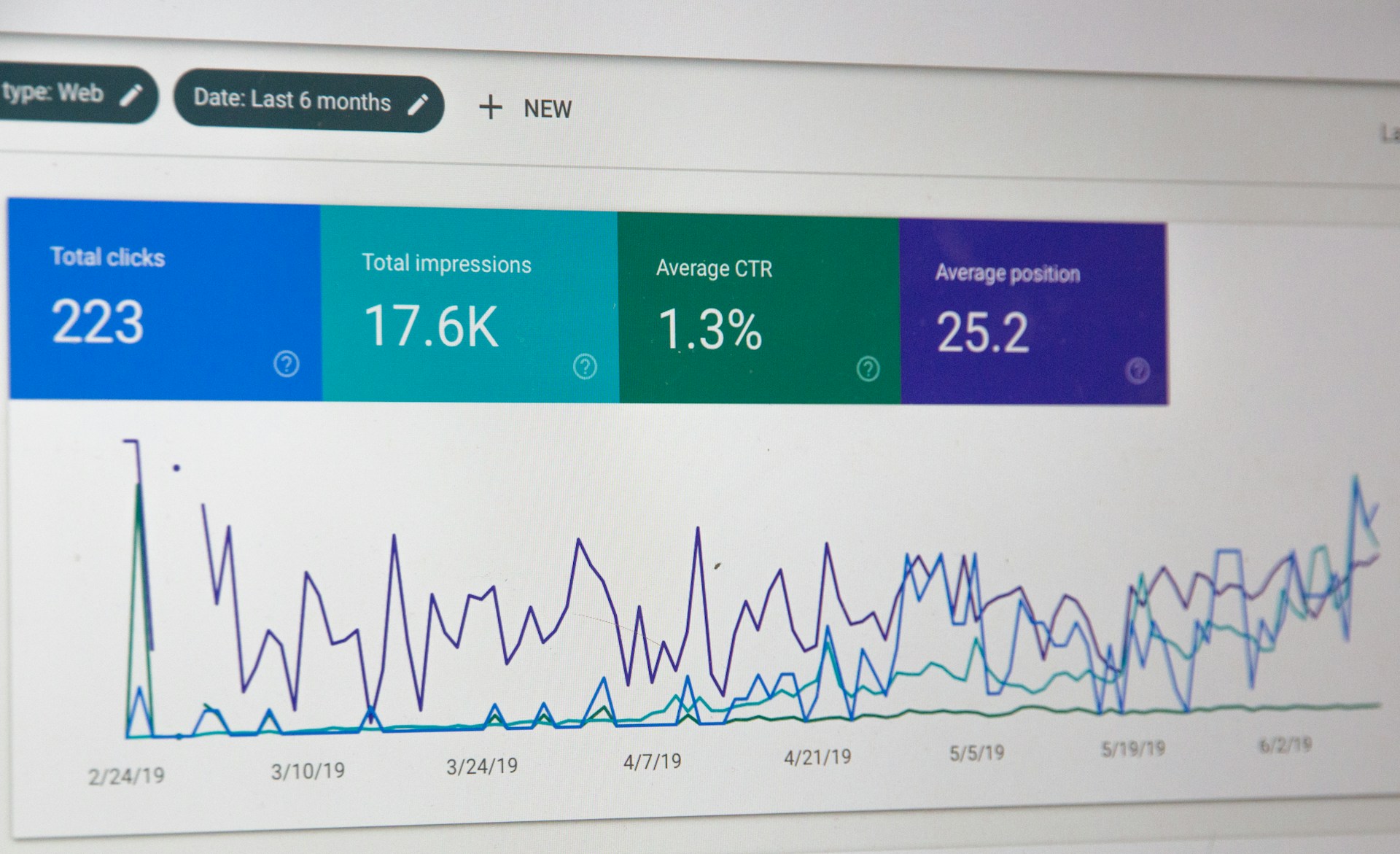
To make this more realistic, it helps to understand common performance ranges many Australian businesses see once a campaign is reasonably well set up. Click-through rates on search ads often sit in a modest range, while conversion rates from click to enquiry or purchase are usually in another modest range for a decent landing page. Results will always vary by industry and offer, so treat any benchmark as a guide, not a promise.
For practical starting points, many small local businesses begin with a modest monthly budget that they are comfortable testing for a few months. Growing SMEs, especially those in competitive spaces, often start with a higher budget so they can collect data faster and reach meaningful conclusions. Whichever camp you are in, it is important to commit to at least a few months of consistent spend before you decide whether Google Ads is working for you.
Some questions to ask when setting that initial budget are:
- How many extra sales per month would actually make a difference?
- What is the maximum cost per sale that still leaves healthy profit?
- How many months can we test at this budget without cash flow stress?
- Do we have tracking in place to know if it is working?
What Google Ads Really Costs Beyond the Click
Click costs are only part of the picture. To make Google Ads profitable, you also need to think about management and strategy. Many Australian businesses choose to work with a digital marketing agency like Your Digital Solution so they’re not guessing with campaigns. Typical fee structures are either a percentage of ad spend or a flat monthly fee, sometimes with a setup component for new accounts. The goal should always be better performance and less wasted spend than you would get by going it alone.
Creative and landing page work is another important cost. Strong ad copy, clear headlines, relevant images and a focused landing page can dramatically improve conversion rates, which effectively lowers your cost per lead or sale. Investing in a good landing page, even if it feels like an extra expense upfront, often pays off by getting more value from every click you are already paying for.
Then there is tracking and tools. At a minimum, you want conversions set up correctly in Google Ads and Google Analytics, so you can see which campaigns, keywords and locations are driving real enquiries or sales. Some businesses also invest in call tracking, CRM integration or reporting dashboards. Whether you pay in subscription fees or in time, this tracking foundation is what allows you to make smart decisions about future spend.
A simple checklist of non-click costs might include:
- Strategic campaign planning and ongoing management
- Ad copywriting, creative assets and video editing if needed
- Landing page design, development and testing
- Conversion tracking setup and maintenance
- Reporting, analysis and regular review meetings
How to Optimise and Scale Your Budget Over Time
Once your campaigns are running, the goal is to steadily improve results, then scale. That starts with tracking the right metrics. Instead of obsessing over impressions or average position, focus on cost per lead, cost per acquisition and overall return on ad spend. Those numbers tell you whether an extra dollar in Google Ads is bringing more dollars back into the business.
From there, optimisation becomes a regular habit. This usually includes pausing underperforming keywords, ads or audiences, and putting more budget into what is working. Adjusting bids, refining match types, building out negative keyword lists and testing new locations or times of day are all part of the process. Even small, consistent tweaks can shift your performance curve over time.
You will know you are ready to scale when you see reasonably consistent, profitable results for several weeks in a row and your operations can handle more leads or orders. At that point, increasing budget in controlled steps, for example by a modest percentage at a time, helps you grow without blowing out your cost per acquisition. If results slip when you increase spend, you can hold the new level, optimise again, or pull back slightly and reassess.
Not every campaign should be scaled. If your cost per lead is already close to your maximum acceptable figure, or if the lead quality is patchy, it might be smarter to refine your targeting or improve your landing page before you push harder on budget. The aim is to protect profit while you grow, not to chase vanity spend.
Get Started With Your Project Today
If you are weighing up Google Ads cost in Australia and how it fits into your marketing budget, we can walk you through the numbers in plain language. At Your Digital Solution, we focus on setting up campaigns that are sustainable, transparent and aligned with your business goals. Share a few details about your goals and we will outline a tailored approach along with realistic cost expectations. If you are ready to talk specifics, simply contact us and we will schedule a time that suits you.