
AI and automation cannot replace a marketing team in 30 days. They can make production faster, reduce repetitive admin and bring some order to routine tasks. They cannot decide what matters most, connect a broken customer path or explain why marketing activity is not turning into sales.
We often speak with business owners and in-house marketers who did exactly what the advice suggested: spend a month learning AI, build a funnel and let it run. The pieces they built are usually fine. What is missing is the joins between the website, CRM, ads, email, content and reporting. Those joins are the bit that does not come in a course.
The Tools Are Fine but the Joins Are Missing
A course can show you how to write an email sequence, generate social posts or launch an ad. It rarely shows how those tasks should work together around one clear customer path.
That gap creates admin hell. You have several tools, duplicate workflows, notifications firing all day and no real confidence that the right people are seeing the right message. Nothing is technically broken, which somehow makes it more frustrating.
We commonly see problems like these:
- A website form sends contact details into the CRM but does not start the right follow-up.
- A paid ad pushes an offer that the website barely explains.
- A weekly newsletter goes out without a clear next step.
- Sales conversations reveal customer questions that never make it into content or email.
More tools do not create a marketing system. Three platforms doing the same job usually create more work, more room for error and less visibility. Each tool needs a clear role, agreed handovers and one source of truth for customer data. Otherwise, your marketing becomes a relay race where nobody is sure who has the baton.
What an AI Marketer Can Do in Thirty Days
An AI marketer can be very useful, as long as we give it the right job. AI is good at speeding up production and helping a small team get through repetitive tasks.
Within a month, it can help you:
- Draft campaign ideas and first-pass content.
- Turn one strong article into email and social posts.
- Create ad variations for review.
- Summarise customer feedback, sales notes or survey responses.
- Prepare reporting summaries from clean data.
The catch is simple: speed only helps when the input is sound. AI can write ten versions of an email in minutes, but it cannot know which message fits your customer, your offer or their stage of decision-making unless someone has already defined those things.
Faster confusion is still confusion. It just arrives in your inbox sooner.
A realistic 30-day outcome is an audit of your current tools, documented workflows, cleaner content production and selected repetitive tasks automated. That is worthwhile progress. It is not a self-running marketing department, and it should not be sold as one.
Automation Can Fire Perfectly and Still Miss Buyers
A working automation is not the same as a working marketing outcome. A workflow can trigger exactly as designed, but still fail to produce quality enquiries or sales.
If the audience is wrong, the message is too broad or the timing is off, automation simply delivers the wrong thing more efficiently. The system can look busy while doing very little for the business.
Signs that this is happening include:
- Leads receive overlapping email sequences.
- Existing customers get introductory offers.
- Sales staff are told a lead is hot because they downloaded a checklist.
- Teams report clicks and opens but cannot point to meaningful enquiries or revenue.
Before adding another workflow, we recommend mapping the basic path from first contact to enquiry, sale and follow-up. Decide which actions actually matter, such as requesting a quote, booking a consultation or making a purchase. Then build automation around those actions.
You do not need to automate every click. You need to support the moments that move someone closer to becoming a customer.
AI Cannot Explain a Number It Was Never Given
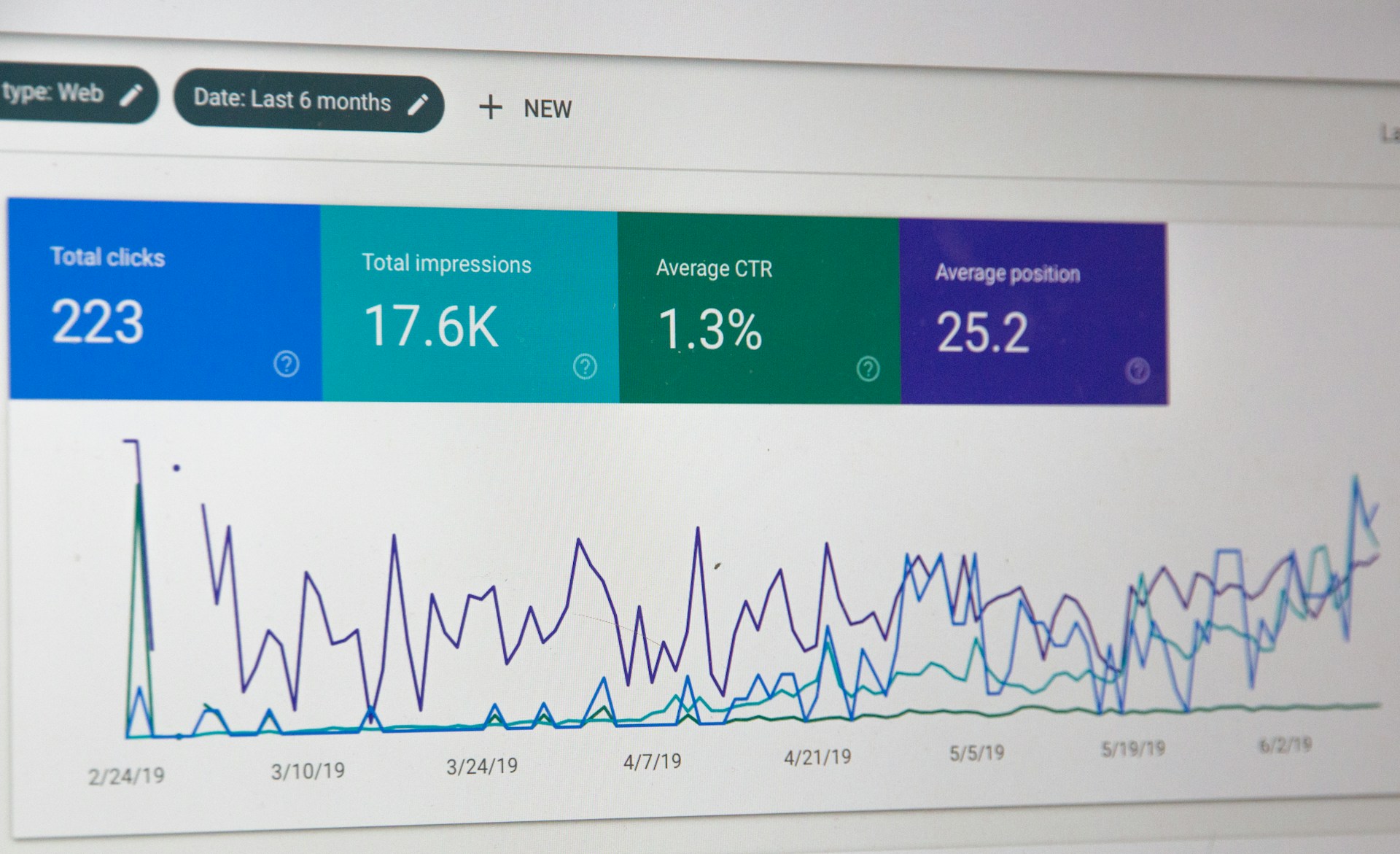
Reporting is where many DIY AI setups hit the wall. If your tracking is incomplete or disconnected, neither AI nor a dashboard can reliably tell you what a lead costs, which channel drove a sale or whether marketing spend is paying off.
AI can summarise the numbers it receives. It cannot repair missing data by guessing. A confident-looking report based on patchy tracking is still patchy tracking.
The usual gaps are familiar. Website forms may not be tracked properly. Phone calls may not connect back to campaigns. CRM stages may mean different things to different people. Paid media reports clicks, while the business needs to know qualified leads, revenue, margin and customer acquisition cost.
We start by agreeing on a small set of business measures that matter. That could include:
- Qualified leads
- Lead-to-sale conversion rate
- Cost per qualified lead
- Customer acquisition cost
Each tool then needs to record and pass on the information required to report those measures. Once the data is connected, an AI marketer can help spot patterns and turn reports into plain-language summaries. Until then, it is working with gaps.
Reconnect the System Before You Buy Another Tool
Most marketing messes do not require a complete rebuild. They need a short reset and some honest decisions about what stays, what goes and what needs to connect properly.
Start by listing every active marketing tool, what it is meant to do, who owns it and what information it needs to pass on. Duplicate tools should be removed or consolidated. Automations without a clear purpose or measurable result should be paused.
For businesses heading into the Australian end-of-year sales and booking period, lead follow-up and measurement deserve attention before adding more Black Friday or Christmas campaigns. For everyone else, the same approach applies: clean up the system before asking it to do more.
Keep the useful pieces. Fix the joins. Use AI to reduce production time, not to make strategy decisions or diagnose problems it cannot properly see.
Get Clear on What AI Should Handle
An AI marketer can help with the repetitive work, but it still needs a clear strategy and someone checking the output. At Your Digital Solution, we help businesses set up practical marketing systems that support your team rather than create more work. If you need a clear view of what to automate and what to keep human, contact us.
FAQs
Can AI And Automation Replace A Marketing Team?
No. AI and automation can reduce repetitive work and help a small team produce more, but they do not replace strategic choices, customer insight, channel planning, quality control or problem-solving when results are weak. Someone still needs to decide what the business is trying to achieve, what message belongs where and what should change when the numbers are off.
Do I Need To Start Again If My Marketing Is A Mess?
Usually, no. We find that most businesses can keep the platforms that serve a clear purpose. The first job is identifying duplicate tools, broken handovers and missing tracking, then reconnecting the path from first enquiry through to sale.