
When a Beautiful Website Fails to Bring in Sales
A good-looking website that does not bring in sales is more common than most business owners realise. The pages look polished, traffic arrives steadily from SEO or paid ads, but enquiries stay quiet and online sales feel stuck. On the surface, everything looks fine.
Design alone does not drive results. A website has to be built to convert visitors, not just impress them. At Your Digital Solution, we treat websites as lead generation assets rather than online brochures, which means every key page needs to guide people towards a clear next step.
When a landing page is not converting traffic, the cause is almost always deeper than layout. Messaging, offer clarity and user journey are where the real problems tend to hide.
Diagnosing Why Your Landing Page Is Not Converting Traffic
Before fixing anything, start by defining what a conversion means for your business. It might be an enquiry form submission, a booked strategy call, a quote request, an online purchase, or something earlier in the funnel like an email sign-up. Without knowing which actions matter most, there is no reliable way to judge whether a page is doing its job.
Asking the Right Questions First
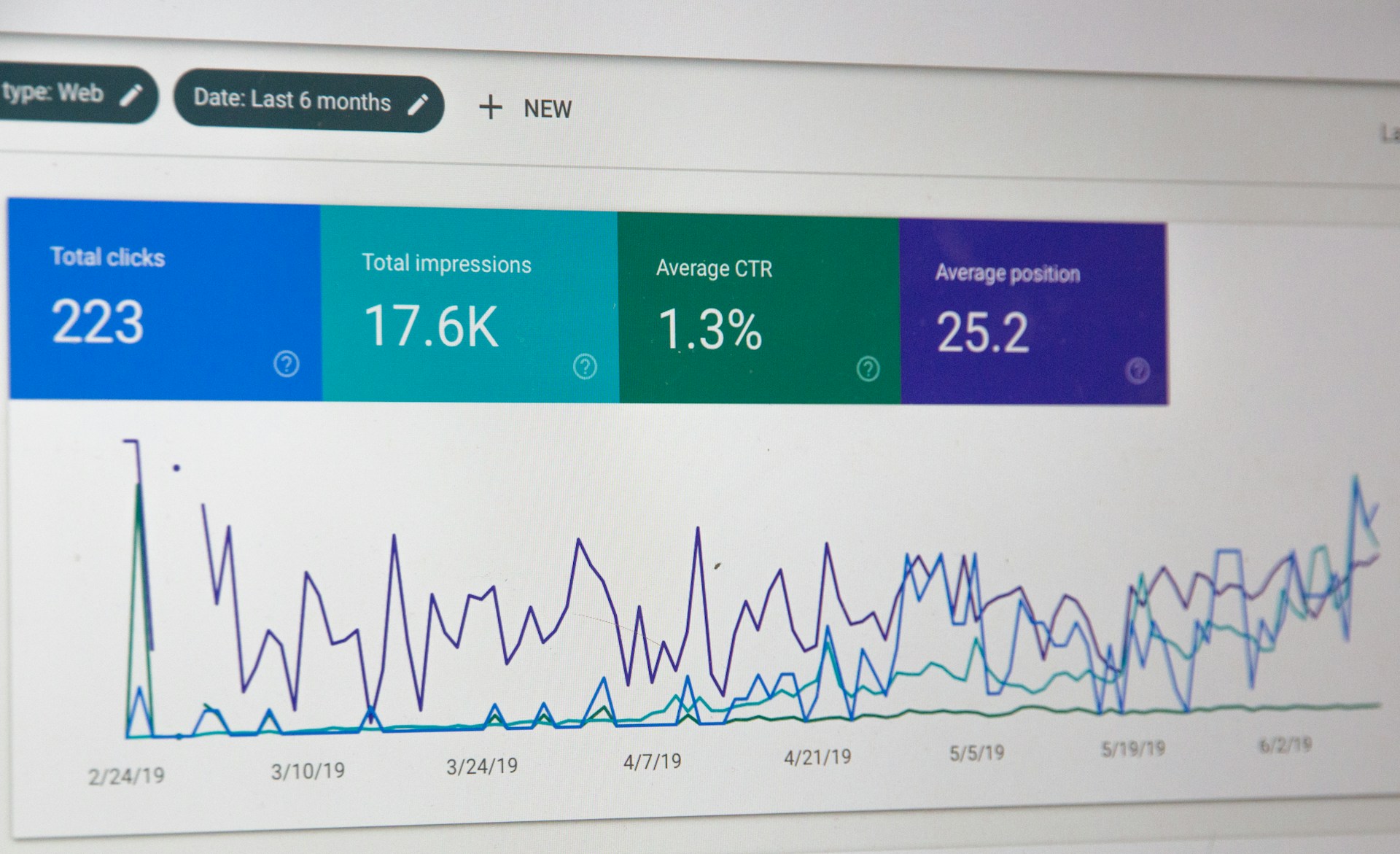
Review your analytics with a clear focus. Where is traffic coming from: search, social, paid ads, or referrals? What is the bounce rate on the landing page, and how long are people staying? Which page do visitors exit from most often? If you use forms or an online checkout, at what point do people drop off?
This process helps separate a traffic problem from a conversion problem. If very few people are visiting the page, you have a traffic issue. If plenty of visitors are arriving but very few convert, the page itself needs attention. We generally recommend improving conversion before increasing ad spend, so you are not pushing more budget into a page that is not ready to perform.
Common Causes Worth Investigating
Several issues tend to appear repeatedly on landing pages that are not converting traffic:
- Misaligned audience targeting that brings the wrong visitors to the page
- Confusing layout or content that buries the main offer
- Slow load speeds that push impatient users to leave before the page finishes loading
- Weak or hidden calls to action that do not clearly direct visitors on what to do next
- Technical tracking errors that make your data unreliable
A basic diagnosis gives you somewhere focused to start, rather than making changes based on instinct alone.
Fixing Your Message: Align Offer, Audience and Value
Visitors need to understand who you are, what you do and why they should care within the first few seconds of landing on your page. If someone has to scroll around to piece that together, most will leave without taking action.
Lead With Concrete Benefits, Not Vague Claims
Your value proposition should speak directly to the outcomes your audience actually cares about. Phrases like “quality service” or “experts in our field” do not give visitors a reason to stay. Concrete benefits do. What problem do you remove from their day? What result do you help them achieve? Why is your approach more reliable or straightforward than the alternatives?
Match Your Offer to Where Visitors Are in the Buying Process
Not everyone who lands on your page is ready to enquire. A visitor still researching their options will respond differently to someone ready to make a decision.
A research stage visitor might engage better with:
- Helpful guides or FAQs
- Checklists, buyers guides or planning tools
- Email sign-ups for ongoing tips
A ready-to-buy visitor is more likely to respond to:
- Clear pricing or package breakdowns
- Direct enquiry or quote request forms
- Simple booking flows for calls or appointments
Both types can arrive on the same page. The solution is to lead with a primary conversion action while offering a softer secondary option for those who need more time before committing.
Build Trust Where It Matters Most
Near your main calls to action, visitors are quietly deciding whether you are credible and safe to work with. Placing the right trust signals in these areas supports that decision without requiring visitors to go looking for reassurance.
Useful trust elements include:
- Short testimonials or review snippets from relevant clients
- Case study highlights or before-and-after style outcomes
- Local proof such as service areas or industry niches you specialise in
- Guarantees or clear refund policies that reduce perceived risk
When offer, audience and value are properly aligned, your landing page feels relevant to the person reading it, and that relevance is what drives conversion.
Optimising the Page Experience for Action, Not Browsing
Effective landing pages are built around one primary goal. Every section, heading and visual element should move the visitor closer to that goal through clear structure and a logical flow from problem to solution to proof to action.
Structure the Page Around a Single Goal
Above the fold, a visitor should immediately see what you do, who it is for and what action you want them to take. As they scroll, you can introduce more detail, address common objections and provide supporting content, but every section should still point towards a clear next step.
Conversion elements that tend to perform well include:
- Prominent enquiry or quote buttons placed near key sections
- Simplified forms that only request the essential fields
- Click-to-call buttons on mobile devices
- Live chat or quick contact options where relevant to your audience
Technical Performance Is Not Optional
A slow, unresponsive page will cost you conversions regardless of how strong the offer is. Regular checks on image sizes, hosting quality and page scripts keep load times fast across all devices. If your page is not mobile responsive or takes too long to load, many visitors will leave before they have seen enough to make a decision.
Clear design, intuitive layout and straightforward language also play a significant role in building the low-level trust that encourages visitors to follow through.
Testing, Tracking and Refining With Real Data
Conversion optimisation is an ongoing process. Visitor behaviour shifts over time, competitors update their messaging and new traffic sources bring different types of people to your site. Treating landing pages as fixed assets rather than living ones means leaving consistent improvement on the table.
Start Simple and Test One Variable at a Time
You do not need sophisticated tools to get started. Simple A/B tests on headlines, calls to action, hero images, form length and the placement of social proof can all surface useful insights about what resonates with your audience. The key is testing one main variable at a time and allowing enough traffic to build before drawing conclusions.
Set Up Accurate Tracking From the Start
Without reliable data, every decision is a guess. At minimum, your tracking setup should include:
- Analytics correctly installed across your site
- Conversion goals configured for key actions like form submissions and purchases
- Call tracking if phone enquiries are part of your sales process
- Campaign tagging for ads and email so you can identify which channels are generating real leads
This data does more than improve a single landing page. It feeds into your broader digital strategy across SEO, paid ads and content marketing. At our Brisbane agency, we make sure every channel is driving visitors to pages that are ready to convert, which lifts overall ROI and gives you a much clearer picture of what is working.
Turning Your Website Into a Consistent Sales Engine
A good-looking website that is not generating sales is almost always a conversion problem rather than a design problem. By diagnosing why your landing page is not converting traffic, sharpening your messaging, improving the on-page experience and making decisions based on real data, your website can become an active and reliable part of your sales process.
A straightforward self-review is a good place to start. Is the offer clear within a few seconds? Does the page speak directly to the right audience? Are trust elements visible near the calls to action? Is the mobile experience fast and easy to navigate? Can you accurately track where leads and sales are coming from?
Working through these areas gives your website a much stronger foundation for generating consistent, predictable results.
Get Started With Your Project Today
If your landing page is not converting traffic but not producing enquiries, we can help you find out why and fix it in the right order.
At Your Digital Solution, we review your current setup, identify what is holding back conversions and build practical improvements around your audience and goals. Tell us about your project and we will outline the changes most likely to make a real difference for your business.
Contact us today to get started.