
Stop Guessing: Here’s Why the Phone Isn’t Ringing
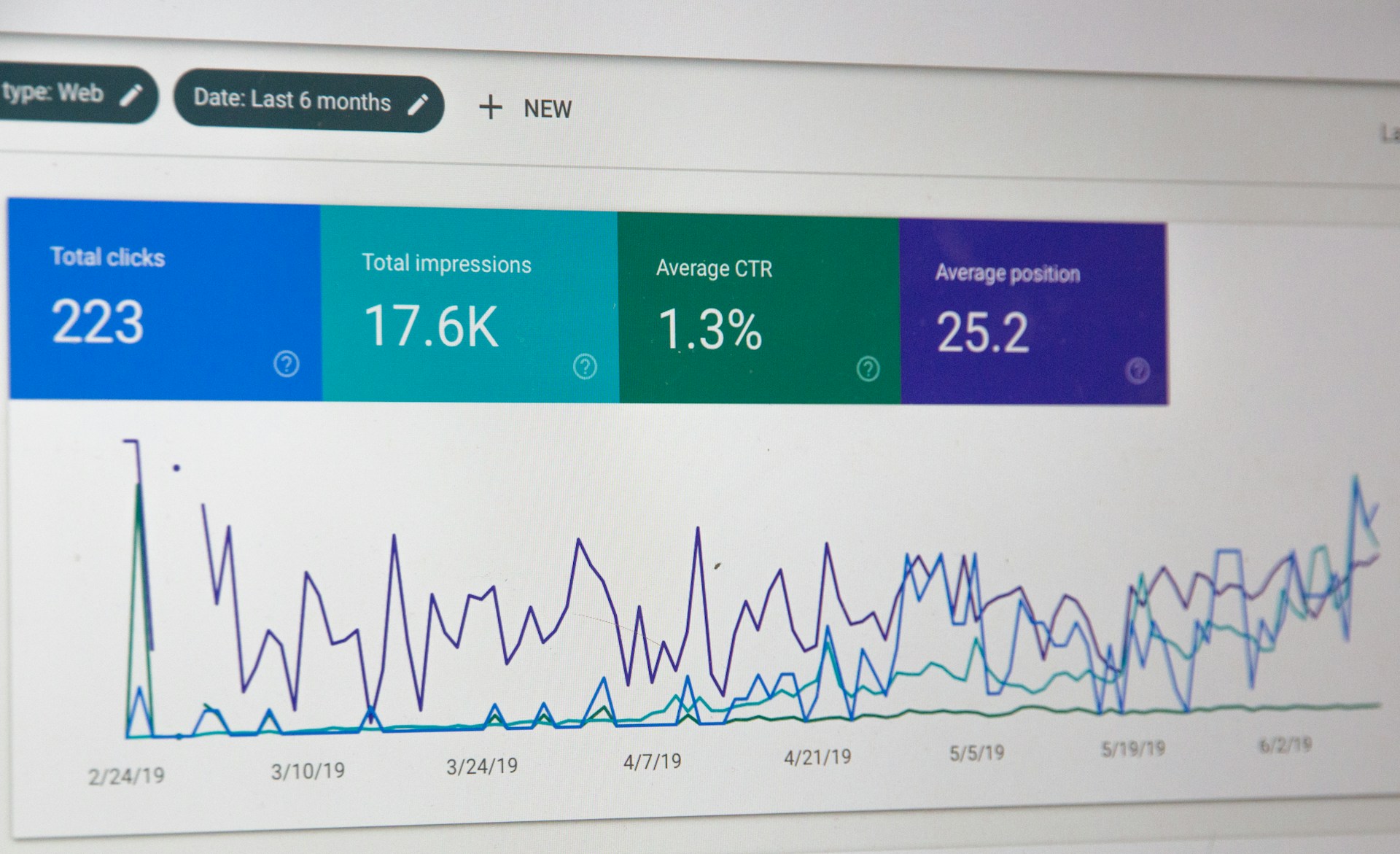
If your analytics look healthy but your inbox is quiet, the problem is rarely your traffic. The real issue is what happens after the click.
You can invest in Google Ads, put serious hours into SEO and keep your social content ticking along, but if the page people land on is not built to convert, enquiries will stay flat no matter how much you spend getting people there.
At Your Digital Solution in Brisbane, we see this pattern regularly. A landing page that is not converting traffic almost always comes down to a few fixable areas: message match, offer clarity, form friction and trust signals. By the end of this article, you will know what is likely holding your page back, what to prioritise first, and how to start improving results without a full site rebuild.
Your Message Doesn’t Match What People Clicked On
Message mismatch is one of the most common reasons a landing page stops converting traffic, and it is also one of the easiest problems to overlook because the page can look perfectly fine on the surface.
It happens when an ad, post or search result promises one thing and the landing page delivers something different. Visitors arrive expecting a direct answer to the problem they just clicked for. Instead, they are met with a generic company pitch or a homepage-style overview that has nothing to do with why they came.
That gap kills trust almost immediately. The visitor thinks “this is not what I was looking for” and closes the tab within seconds.
What Message Mismatch Looks Like in Practice
Two scenarios that come up often:
- An ad says “Free roof inspection today” but the page opens with a long company history and no mention of free inspections anywhere above the fold.
- A search for “emergency plumber Brisbane” leads to a page focused on bathroom renovations with references to projects starting next month.
In both cases, the visitor has no reason to stay.
How to Fix It
The first screen of your landing page is doing the heaviest lifting. Start there.
Your main headline should mirror the exact problem or offer from the ad or search snippet that brought people in. Use the same language they just saw. The first paragraph should confirm clearly that yes, you do the thing they clicked for, and here is how to get it.
When message and intent are properly aligned, enquiries often improve without any changes to your traffic at all.
You Are Asking People to Work Too Hard to Enquire
Friction is anything that slows a visitor down on their way to submitting an enquiry. It does not always look like a problem from the inside. A page can appear well-designed and still be quietly exhausting for a busy buyer trying to take the next step.
The most common friction points tend to be a long form asking for budget details and background information before the business has earned that level of trust, no clear primary action so visitors are left wondering whether to call, book, download or just keep scrolling, and too many menu links and footer options that invite people to wander rather than enquire.
When a landing page is not converting traffic, the form is often where things go wrong. It has been built around what the business wants to know, not what the buyer is ready to share at this stage.
How to Reduce Friction Without Losing Qualified Leads
Start by trimming the form back to the essentials needed to give a useful first response. In most cases that means a name, a contact detail and one brief context question. Everything else can come later.
From there, pick one main call to action and repeat it consistently through the page. Whether that is “Get a quote” or “Book a call”, giving visitors a single clear next step removes the decision fatigue that causes drop-off. Distracting links and secondary options can be pulled back or removed entirely.
The path from interested to enquiry sent should feel like two or three easy clicks, not another item on a to-do list.
They Do Not Trust You Enough to Hand Over Their Details
Every visitor arrives with the same unspoken questions. Who are you, can I trust you, and is this safe? If the page does not help them answer those questions quickly, they will not share their contact details, particularly for services that feel high-stakes or involve a longer commitment.
Missing trust signals show up in predictable ways. No visible reviews, testimonials or client logos. No contact details, ABN or anything that confirms there is a real business behind the form. No mention of privacy or what happens to their information once they hit submit.
That hesitation becomes even stronger when the enquiry feels like the start of a commitment, such as legal help, financial services or a longer-term contract. People worry they will be pressured, spammed or locked into something before they are ready.
Building Trust Quickly on the Page
Specific testimonials that reference real outcomes and recognisable problems tend to work better than generic five-star praise. Logos from platforms, industry bodies or well-known clients also help, particularly when your audience is already familiar with them.
A short, plain-language line near the form explaining what happens next and how contact details are handled can remove a surprising amount of hesitation. Often, one or two well-placed trust elements close to the call to action will do more for enquiries than an extra paragraph of sales copy ever will.
Your Offer Is Not Clear, Valuable or Easy to Say Yes To
“Contact us” is not an offer. It is homework. If the only thing a landing page promises is a vague conversation at some unspecified future time, many visitors will not bother, even when they are genuinely interested in the service.
Weak offers tend to follow a familiar pattern. A generic contact form with no sense of what the visitor receives. No mention of timing, process or what happens after they press submit. No obvious benefit beyond “we will be in touch”.
Busy decision-makers think in practical terms. They want to know what they are getting, how quickly it will happen, and how much effort it will require on their end. A landing page that is not converting traffic is often one that is selling a chat rather than an outcome.
How to Sharpen the Offer
Define a clear, low-effort next step. A short audit, a same-day quote or a quick review with a handful of practical recommendations all give the visitor something tangible to say yes to. Set expectations around what happens after they submit, how long it takes and what they walk away with.
The benefit does not need to be elaborate. Even promising more clarity, a simple plan or a prioritised shortlist of actions gives the next step real value. When the offer feels small, specific and worth the effort, enquiring starts to feel like a sensible decision rather than a risk.
Turn Traffic Into Enquiries: What to Fix This Week
If visitors are arriving but not converting, the traffic is not the problem. The page is. The good news is that you do not need to rebuild everything at once to start seeing results.
Pick one page that matters to your pipeline and work through a straightforward sequence of priorities:
- Align the message on the page with the ad, post or search intent bringing people in
- Simplify the path to enquiry by shortening the form and removing distractions
- Add real proof and trust signals that confirm you are a legitimate, capable business
- Sharpen the offer so the next step feels specific, low-risk and worth their time
Make one change at a time and give each adjustment a fair run before moving to the next. When you start seeing more form starts, inbound calls or booked appointments, you will know the page is beginning to do its job.
FAQs for Time-Poor Marketers and Owners
Q: Why is my landing page getting traffic but no leads?
A: Landing pages often fail to convert when the message does not match the ad, the offer is unclear, the form creates too much friction, or the page lacks trust signals.
Q: What causes high bounce rates on landing pages?
A: Common causes include slow loading speeds, confusing layouts, weak headlines, poor mobile experience, and content that does not match visitor expectations.
Q: How can I improve landing page conversion rates?
A: Focus on clear messaging, a strong call to action, shorter forms, faster page speed, and visible trust elements like reviews, testimonials, and client logos.
Q: What is message mismatch on a landing page?
A: Message mismatch happens when an ad or search result promises one thing, but the landing page delivers different information, causing visitors to leave quickly.
Q: How many fields should a lead form include?
A: Most landing pages convert better with shorter forms that ask only for essential information like name, email, phone number, and one brief enquiry detail.
Q: Why are trust signals important on landing pages?
A: Trust signals help visitors feel confident sharing their information. Reviews, testimonials, certifications, and clear contact details improve credibility and conversions.
Q: What makes a strong landing page offer?
A: A strong offer is specific, low-risk, and easy to understand, such as a free audit, same-day quote, consultation, or practical recommendation.
Q: How do I know if the issue is the traffic or the landing page?
A: If traffic levels are strong but enquiries remain low, the landing page is usually the issue. High bounce rates and low form completions are common warning signs.
Get Started With Your Project Today
If your landing page is not converting traffic, that gap is costing you real business opportunities.
At Your Digital Solution, we review your current page, identify what is holding visitors back and make practical improvements to your design, messaging and user experience. The goal is straightforward: more of the right people taking action when they land on your page.
Ready to talk through what is possible for your business? Contact us and we will walk you through the next steps.