
An in-house marketer and an agency work best when they have different jobs, clear decision rights and one shared plan. The question was never “build or buy”. For most businesses under 200 people, it is both, and the reason it usually fails has nothing to do with capability.
If you are managing marketing alongside internal requests, sales needs and business priorities, agency support should make your role easier, not make you feel replaced. We see the best hybrid marketing model treat the in-house marketer as the business voice, while the agency adds specialist depth and capacity.
A Hybrid Model Works When Roles Are Clear
In-house marketing stays central because you know what is happening inside the business. You understand the customers, the sales team, product changes, internal politics and the things that are not written down in a campaign brief.
An agency cannot walk in and know all of that. Nor should it try to operate as a separate marketing department with its own priorities.
We recommend that the in-house marketer owns the commercial brief. That means setting out what the business needs to achieve, who matters most, which offers are available and what limits exist. A campaign can look great on paper, then fall apart because the sales team is already at capacity or a product launch has moved. Useful information usually matters more than a clever headline.
Your role should include:
- Business priorities, customer insight and sales feedback
- Brand context, internal approvals and product updates
- The final view on whether activity fits business reality
- Raising concerns when a recommendation does not match what is happening internally
Challenging an agency is not being difficult. It is why your business has someone in-house in the first place.
Where the Agency Adds Capacity
Agency support is most useful when it covers work that is hard to keep in-house all year. This may include SEO, paid media, website development, technical analytics, campaign production and content systems.
Our job is to turn business goals into practical channel plans, delivery and reporting. That does not mean waiting for a task list each Monday. A good agency should flag gaps, risks and opportunities before they become a problem.
For example, an agency may recommend paid search changes based on performance, while you point out that the website is making enquiries harder than it needs to be. Both views matter. The right answer comes from looking at the full path, not protecting a channel.
Agency capacity can also scale around busy periods, website projects, campaign launches and annual planning. You do not need to build a permanent internal team for every specialist need, especially when priorities change through the year.
One Plan and Clear Governance Keep Work Moving
A hybrid marketing model needs one plan, one set of business goals and one agreed list of priorities. We can help shape that plan, but you need to be involved from the start. Otherwise, the agency is working from assumptions while the business is working from reality.
Channel ownership should be written down. For instance, the agency may manage SEO delivery and paid search optimisation, while the in-house marketer manages customer insight, internal communication, approvals and sales alignment.
A simple responsibility map removes a surprising amount of confusion:
- Who recommends the work
- Who makes the final decision
- Who delivers each part
- Who needs to be informed
- When approvals are due
This prevents the familiar problem where three people thought someone else was handling the landing page. Nobody needs another calendar invitation as a hobby, but everyone does need to know who owns what.
Keep the meeting rhythm simple. We recommend a weekly working session for active tasks, a monthly review for performance and priority changes, and a quarterly planning meeting for bigger decisions. Business leaders only need to join when budget, direction or major priorities need a decision.
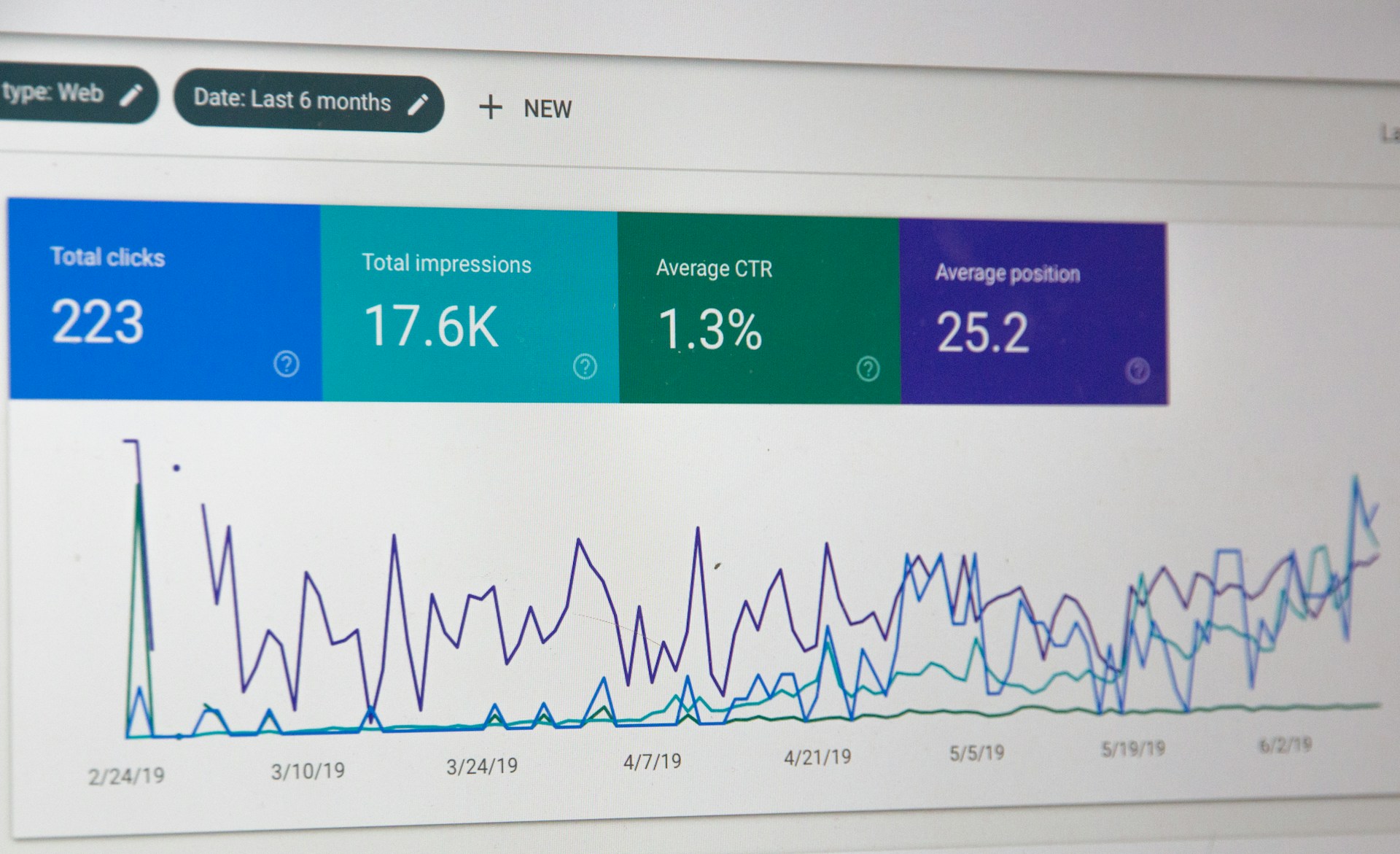
Reporting should connect activity to business outcomes where possible. Look beyond clicks and impressions to enquiries, lead quality, conversion rates, pipeline and revenue contribution. Not every measure will be perfect, but the report should help you decide what to continue, change or stop.
November is a useful time to reset this rhythm. Review what worked, what created delays and what needs to happen during holiday or summer trading. Then lock in the first-quarter priorities before calendars fill up and plans become wishful thinking.
The Three Places Hybrid Models Break Down
Most problems come back to governance, not talent.
First is unclear ownership. The agency expects customer insights, content or approvals from the internal team. The internal team assumes the agency is handling it. Fix this by naming an owner and deadline for every major deliverable.
Second is competing priorities. An agency may be focused on channel performance while you are dealing with a sales push, product issue or urgent request from leadership. Review priorities together each month and be honest about what will not get done. A shorter plan that happens is better than a long plan everyone quietly ignores.
Third is disagreement without a decision process. The agency may recommend more paid media spend. You may believe the bigger issue is the website or how sales follows up leads. Return to the agreed business goal, look at the evidence and nominate a final decision-maker before the disagreement appears.
Disagreement is not a sign that the relationship is failing. Quiet frustration, vague decisions and work sitting in approval limbo are the real problems.
Before work starts, put a short working agreement in place. It should cover shared goals, channel ownership, approvals, reporting, meeting rhythm and how decisions are escalated. When you ask an agency how it works with internal teams, listen for clear accountability and knowledge sharing, not vague promises to “take it all off your plate”.
Make Your Marketing Team Easier To Run
A clear hybrid marketing model can give your in-house team the specialist support they need without adding another layer of confusion. At Your Digital Solution, we help businesses set practical roles, reporting and priorities that work day to day. If your current setup is creating more questions than progress, contact us and we can talk through what needs to change.
FAQs
Will An Agency Replace Our In-House Marketer?
Not in a well-run hybrid arrangement. You bring internal knowledge, business context and day-to-day alignment that an agency cannot replace. The agency should extend your capability, take on specialist work and provide capacity when it is needed, while you remain connected to the people and priorities inside the business.
Who Has The Final Say When The Agency And In-House Marketer Disagree?
It depends on the decision. The in-house marketer should lead on business context, internal priorities and brand fit. The agency should lead on specialist channel recommendations. For budget, commercial direction or competing priorities, nominate a business leader as the final decision-maker early. The best setup gives the business more capability without creating more marketing chaos.