
Most Australian business owners still see marketing spend as just another line item on the P&L. Money going out. Fingers crossed something comes back.
But smart strategy changes that equation entirely.
When you build campaigns with clear intent, proper targeting, and measurable outcomes, your marketing budget works twice. Once to generate actual leads and revenue. And again at tax time as a legitimate business deduction under ATO guidelines.
Brisbane businesses have more digital tools available than ever before – SEO, Google Ads, social media automation, email platforms, analytics dashboards. But access to tools doesn’t guarantee results. What separates effective marketing from expensive noise is the strategic framework driving those tools.
Automation might speed up execution. But strategy determines whether you’re doing the right things in the first place.
Without clear objectives, defined audience understanding, and performance measurement, you risk spending faster on ineffective tactics. That’s why local business marketing in Brisbane must start with strategy first, technology second.
Done properly, strategic marketing delivers two measurable outcomes: it builds your brand presence and generates qualified leads whilst maximising your tax-deductible business expenses. Both matter for sustainable growth.
Let’s examine how strategic thinking transforms marketing from a cost centre into a genuine business asset that drives growth and provides legitimate tax benefits simultaneously.
Why Do Business Owners Mistake Marketing for a Cost Instead of an Investment?
The problem starts when you can’t see what’s working.
You’re paying for Google Ads, updating your website, running social campaigns. Money goes out every month. But if you can’t clearly connect those efforts to new customers walking through the door, it just feels like spending.
This happens for a few specific reasons:
Digital results take time to show up. SEO improvements might need 3-6 months before you see ranking changes. Brand awareness builds slowly through consistent presence. Lead nurturing works over weeks, not days. When you’re expecting quick wins, marketing looks expensive.
Budget conversations focus on cutting costs, not growth. Marketing often gets treated like an overhead expense instead of a growth investment. When quarterly reviews come around, digital spend becomes an easy target, especially when results aren’t immediately obvious.
Brand value is hard to measure. How do you put a number on increased trust? What’s the dollar value of being the first business someone thinks of when they need your service? These outcomes matter, but they don’t show up neatly in monthly reports.
Here’s what changes the equation.
When marketing follows a clear strategy, you can track exactly what’s working. Which channel brought in each lead. Which keywords drove actual conversions. What you’re really paying per new customer.
Good strategy turns marketing into a system that generates leads automatically. It reduces how much time your team spends chasing prospects manually. It builds relationships that create repeat business and referrals.
That’s when marketing stops feeling like an expense and starts working as a genuine driver of growth.
What Kinds of Marketing Spend Can Be Tax Deductible in Australia?
The ATO treats marketing and promotion as legitimate business expenses. That means much of what you’re already spending on digital marketing could qualify as a deduction at tax time.
Here’s what typically qualifies:
Digital advertising costs – your Google Ads campaigns, Facebook and Instagram promotions, LinkedIn sponsored content. If you’re paying to put your business in front of potential customers, it counts.
Agency and consultant fees – working with specialists for SEO, content strategy, campaign management, or digital audits. Professional services that directly support your marketing efforts qualify as business expenses.
Marketing software and platforms – tools like email automation systems, social media schedulers, analytics platforms, or CRM software used to manage and track your campaigns.
Content creation costs – website copywriting, graphic design, video production, photography. Anything created specifically to promote your business and drive revenue.
The key test the ATO applies is simple: does this expense directly relate to earning business income?
A boosted Facebook post advertising your autumn sale? Deductible. Generic branded merchandise with no clear promotional purpose? Probably not.
This is where the link between strategy and execution matters – not just for results, but for your accountant. When you can demonstrate clear intent to generate business through your marketing spend, deductibility becomes straightforward.
Digital marketing services like SEO, Google Ads management, and social media strategy typically qualify as business deductions when they’re structured to drive measurable growth outcomes.
Where Does Automation Fall Short Without Strategy Leading the Way?
Automation tools are everywhere right now. They schedule social posts, send email sequences, run ads continuously, even generate blog content using AI.
But automation without strategy just means doing the wrong things faster.
We’ve watched businesses invest thousands in marketing automation platforms, then wonder why results don’t improve. The campaigns run automatically. Emails go out on schedule. Ads keep showing. But leads don’t increase. Conversions stay flat.
The problem isn’t the technology. It’s what the technology is being told to do.
Automation executes processes brilliantly. It can’t decide which processes actually serve your business goals. It finds audiences based on demographics. It can’t craft the message that builds trust with those specific people. It follows the inputs you provide. It has no ability to determine if those inputs are the right ones.
Think of it like cruise control in your car. Fantastic for maintaining speed on a clear highway. Completely useless if you’re headed in the wrong direction.
Smart automation follows smart strategy. You define who you’re targeting and why. What message resonates with that audience. Which offer solves their actual problem. How to guide them from awareness to action. Then automation scales that proven approach efficiently.
Without strategy leading the way, automation just creates more noise in an already crowded digital space.
How Do Strategic Digital Campaigns Pay for Themselves?
Strategic campaigns start with clear business goals, then build everything backwards from there.
Want more qualified enquiries? You need keywords that match actual search intent, landing pages that address specific problems, and offers that feel relevant to where prospects are in their buying journey.
Chasing more phone calls? Your campaigns should target high-intent local searches, emphasise your phone number prominently, and create urgency around contacting you now rather than later.
Driving product sales? Focus on bottom-funnel keywords, showcase social proof, and remove friction from the purchase process.
Every element should push toward your specific outcome.
That’s what separates strategic campaigns from random digital activity. Strategy means making deliberate choices about where to invest your budget for maximum return.
Strong campaigns typically include keyword research that identifies what your actual customers are searching for. Messaging that addresses real pain points rather than generic benefits. Landing pages designed to guide visitors toward one clear action. And tracking systems that show exactly which efforts generate results.
This approach takes more time upfront than throwing up a quick ad. But it dramatically reduces wasted spend on clicks that never convert.
The businesses seeing real ROI from digital marketing aren’t necessarily spending more. They’re spending smarter – with every dollar tied to a strategic decision about reaching and converting their ideal customers.
That strategic foundation is what transforms marketing from a hopeful expense into a measurable growth investment. One that also happens to qualify as a legitimate business deduction under ATO guidelines.
How Can Local Business Owners Justify Marketing Spend to Leadership or Boards?
Marketing becomes an easier sell when you show up with actual numbers instead of vague promises about brand awareness.
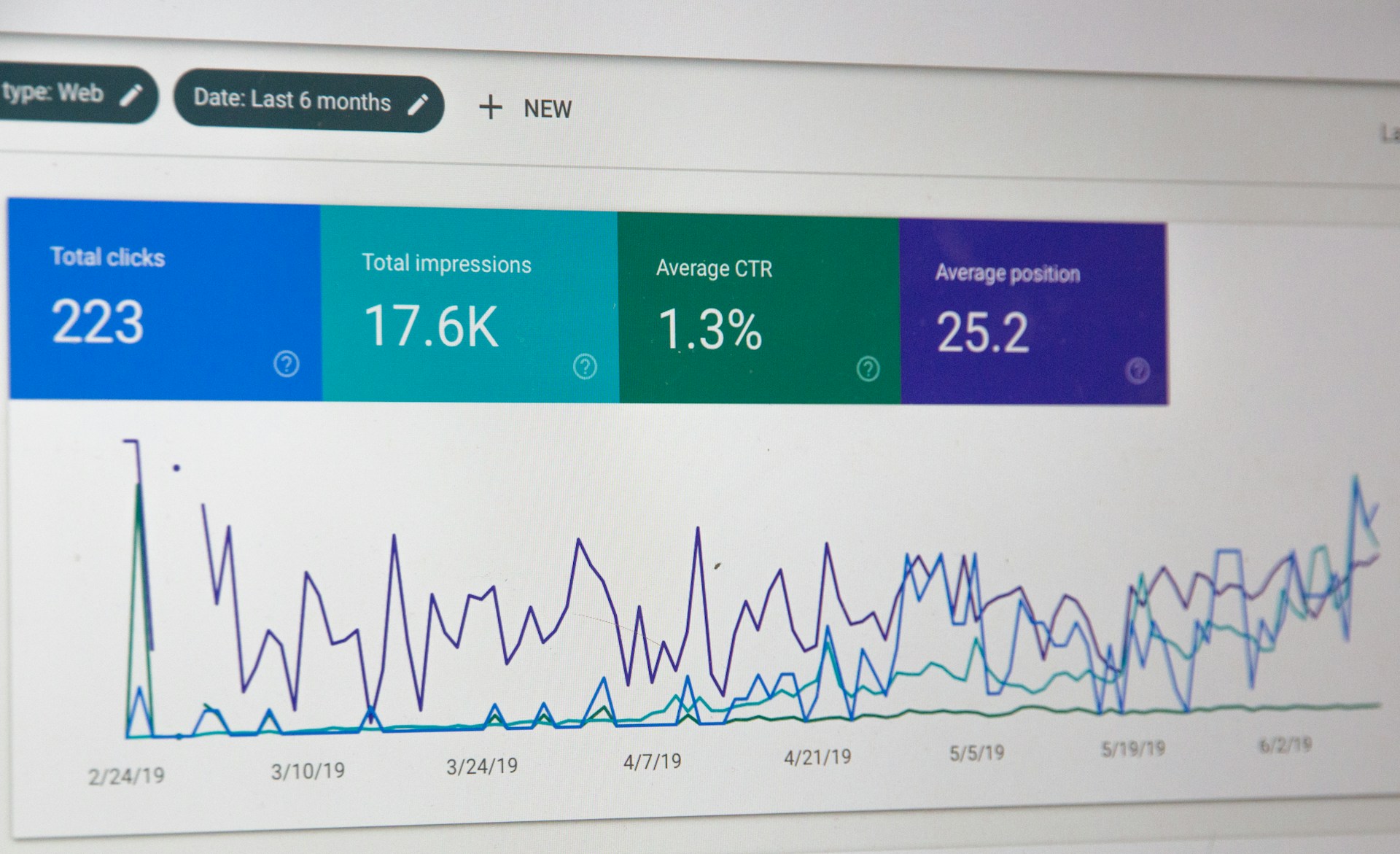
Leadership and boards want to see clear connections between spend and outcome. When you can demonstrate that your Google Ads generated 47 qualified enquiries last month, or that your SEO efforts brought in $15,000 in trackable revenue, the conversation changes completely.
Track metrics that directly tie to business growth:
How many leads came through each channel? Your analytics should show exactly which campaigns are bringing in potential customers – whether that’s through form submissions, phone calls, or chat enquiries.
What’s your conversion rate? Knowing that 8% of your website visitors book consultations gives you a baseline to improve. It also shows whether your traffic quality matches your business goals.
What does each new customer actually cost you? If you’re spending $200 to acquire a customer worth $2,000, that’s a straightforward ROI calculation any board member can understand.
Which sales can you directly attribute to marketing efforts? Track how many customers found you through organic search, clicked through from an ad, or engaged with your email campaigns before purchasing.
Here’s where the tax angle strengthens your case even further.
When you demonstrate that marketing spend generates measurable business growth AND reduces your taxable income through legitimate ATO deductions, you’re showing dual value. The same budget dollar drives revenue while providing tax benefits.
That makes defending your marketing budget significantly easier. It also makes the case for expanding investment when campaigns prove successful.
You’re not asking for faith in marketing. You’re showing exactly how strategic spend delivers measurable returns on multiple levels.
FAQ: Your Marketing Strategy and Tax Position
Q: Can I claim digital marketing costs as a business expense?
A: Yes. You can generally claim digital marketing costs as a tax-deductible business expense if they promote your business or generate income. This includes online campaigns, advertising spend, marketing software, and professional service fees related to marketing activities.
Q: Do I need to separate automation and strategy costs for tax purposes?
A: Usually not. If both your marketing automation tools and strategic planning are used to promote the business, they fall under the same deductible marketing expense category. However, it’s always best to confirm classification with your accountant or the ATO.
Q: Are marketing consultants or digital agencies tax-deductible?
A: Yes. Fees paid to marketing consultants or digital agencies are typically tax-deductible when the work directly supports promoting or advertising your business. Ensure the services clearly relate to generating business income or brand exposure.
Q: What records should I keep to prove marketing expenses?
A: Keep detailed records such as contracts, invoices, receipts, campaign summaries, and performance reports. These documents show the business purpose and link your marketing expenses to income generation — essential if the ATO requests verification.
Turn Marketing Spend Into Strategic Growth
Strategic marketing isn’t about spending more. It’s about spending deliberately – with every dollar tied to clear business outcomes and measurable returns.
Brisbane businesses that treat marketing as a genuine growth investment rather than a necessary expense see fundamentally different results. They track what works. They eliminate what doesn’t. They build systems that generate qualified leads consistently whilst maximising legitimate tax deductions under ATO guidelines.
That’s the difference between hoping marketing works and knowing it does.
At Your Digital Solution, we build digital strategies that deliver dual value – measurable business growth and tax-efficient spend. Our approach to local business marketing in Brisbane combines proven SEO tactics, strategic campaign management, and clear performance tracking so you can justify every marketing dollar to leadership whilst driving actual revenue.
Whether you’re struggling to prove ROI on current marketing efforts, looking to scale without wasting budget, or simply want a strategic partner who understands both digital complexity and business outcomes – let’s talk.
Get in touch and discover how strategic digital marketing transforms from a cost centre into your most reliable growth driver.