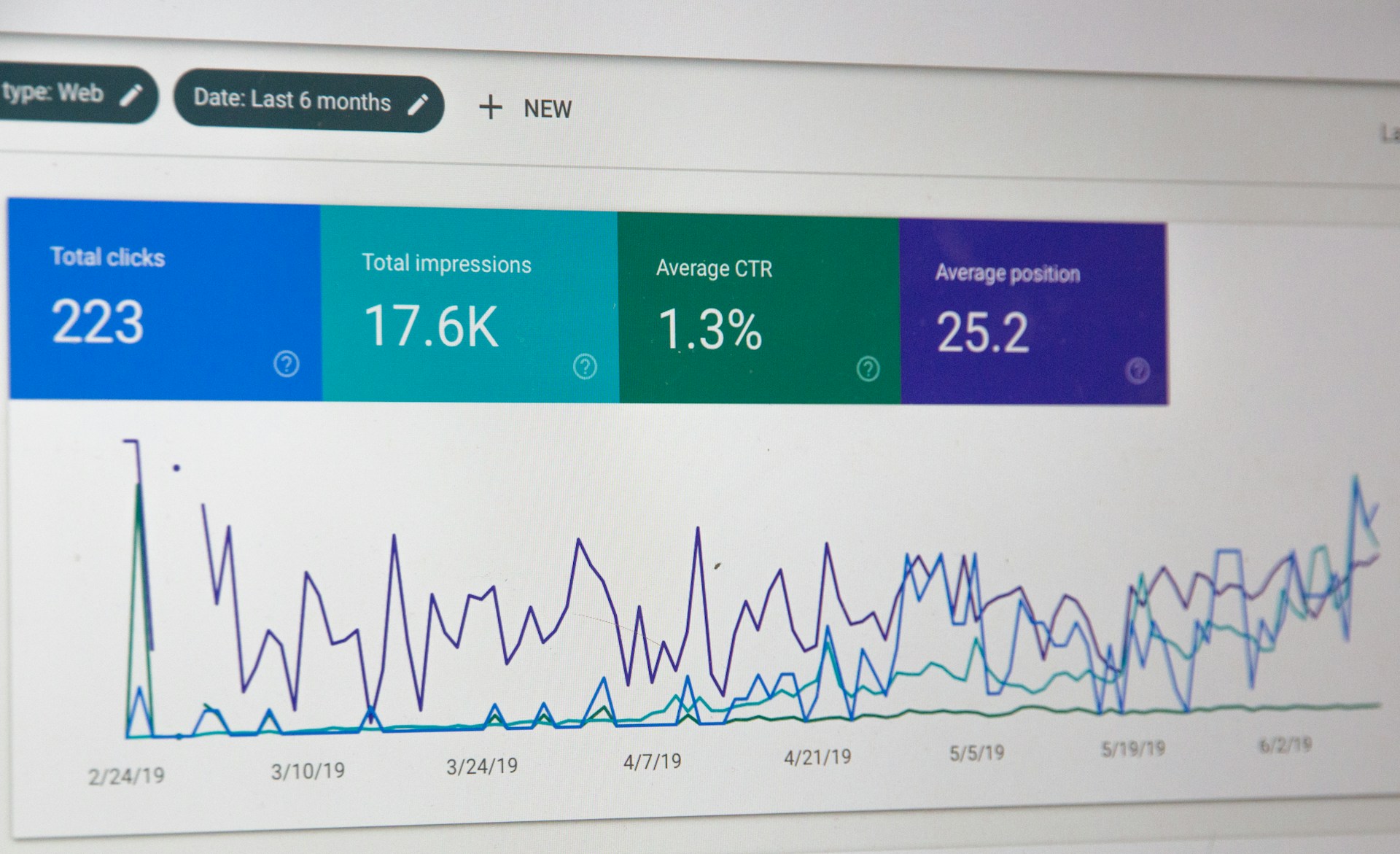

Your new website is finally live. After months of planning, countless revision rounds, and more design meetings than you can count… it’s done. And it looks stunning. The modern design, the seamless user experience, the fresh content – everything your marketing strategy needs to take your brand to the next level. But then you check your analytics.
That sinking feeling in your stomach? The one that hits when you see your traffic numbers dropping day after day? While it feels like a crisis (especially when you’ve just invested significant budget into the redesign), traffic dips during a redesign are normal. The key is to understand why they happen and implement a clear recovery plan before you have to explain those numbers to your CEO.
We’ve developed a proven framework that not only recovers lost traffic but actually uses your redesign to capture more qualified visitors than before. Ready to turn this temporary setback into a strategic advantage?
Understanding Traffic Loss
When traffic drops after a redesign, it’s rarely just one thing going wrong. Instead, it’s usually a combination of technical issues that affect both how search engines see your site and how real people use it. Let’s break down the most common problems:
- SEO Structure Problems: Your website’s SEO is like its foundation. During a redesign, key elements can get changed or removed without anyone noticing. Think missing meta titles, broken links between pages, or URLs that suddenly change. When Google can’t find or understand these crucial pieces, your rankings drop, sometimes across hundreds of keywords at once.
- Technical Integration Challenges: Even with perfect implementation, the complex interplay between new plugins, updated code structures, and existing systems can create subtle performance issues. Things like caching configurations, API connections, or how different site elements interact with each other can impact site speed and functionality in ways that affect both rankings and user experience.
- Content Organisation Changes: Sometimes in the process of updating everything, we accidentally disrupt content that was working well. Important pages get moved or changed. Related topics that used to be connected now live in different sections. Search engines notice these changes and may decide your site is less relevant for certain searches than it used to be.
The good news? These issues are fixable once you know what to look for.
How to Protect Your Traffic During a Redesign
Before launching a new website design in Cairns, you need a robust strategy to protect your existing traffic:
- Pre-Launch Audit: Conduct a thorough analysis of your current website’s performance. Document everything from your top-ranking pages to your critical user paths. Think of it like taking a detailed snapshot of what’s working now, so you can preserve these elements in your new design. Pay special attention to pages driving significant revenue or leads as these need extra protection during the transition.
- Technical Documentation: Create a comprehensive record of your current technical setup. This includes your URL structure, internal linking patterns, and vital SEO elements like meta tags and canonical references. Having this documentation means nothing important gets lost in the redesign process, and you maintain the technical foundation that’s supporting your current rankings.
- Implementation Strategy: Develop a clear plan for preserving your SEO equity during the actual redesign. This means mapping out redirects, ensuring content migrations are handled properly, and maintaining the structural elements search engines use to understand your site. It’s not just about keeping things working. It’s about carrying over the authority you’ve built.
- Monitoring Framework: Set up a systematic approach to tracking your site’s performance post-launch. This means watching your traffic patterns, ranking positions, and user behaviour metrics daily in the first few weeks. Having this framework in place lets you spot and fix issues before they impact your bottom line.
The key is having these elements planned before touching a single line of code. Because once your new site goes live, every minute of lost traffic impacts your revenue.
What To Do If Traffic Drops
If you spot concerning traffic patterns post-launch, here’s your action plan:
- Immediate Response: Don’t panic and start making random changes. Instead, use your analytics to identify exactly which pages and traffic sources are most affected. This targeted approach helps you prioritise fixes and prevent further losses.
- Technical Recovery: Run a comprehensive crawl of your new site to catch hidden technical issues. Focus on server response codes, XML sitemaps, and robots.txt configurations. Often, small technical adjustments can create quick traffic recoveries.
- Content Restoration: Compare your best-performing old pages against their new versions. Look for subtle changes in heading structures, internal links, or keyword placement that might be affecting rankings. Sometimes, restoring specific content elements can trigger rapid ranking improvements.
- Strategic Adjustments: Use this transition period to actually improve your traffic sources. Identify which channels are still performing well and look for opportunities to expand them. This might mean adjusting your paid media mix, updating your social strategy, or refreshing your email campaigns.
Communication Strategy: Before, During and After Launch
Maintaining audience connection through a website redesign isn’t just about damage control. It’s also an opportunity to strengthen relationships and gather valuable feedback. Here’s how to turn your redesign into a positive brand moment:
- Pre-Launch Communication: Start building excitement before the change. Use your email list and social channels to preview new features that will improve your audience’s experience.
- Launch Management: Consider a soft launch to your most loyal customers first. This gives your power users time to familiarise themselves with changes while providing invaluable feedback. Their early experiences will help you optimise the site before rolling it out to your broader audience.
- Post-Launch Engagement: Create content that highlights your site’s improvements while delivering real value to your audience. This could include tutorial videos walking users through new features, blog posts explaining improved functionality, or behind-the-scenes insights into how specific changes will enhance their experience with your brand. The goal is to showcase how your redesign makes it easier for customers to achieve their goals, whether that’s finding information, making purchases, or connecting with your team.
Most importantly, actively collect and respond to feedback. Whether through your social channels, customer service team, or direct surveys, show your audience their experience matters. This feedback often reveals quick wins that can significantly improve both traffic and conversions.
Remember: A website redesign isn’t just a technical project. It’s a chance to deepen relationships with the people who matter most to your business.
Protecting Your Digital Investment
A website redesign represents a significant investment in your brand’s future. But that investment shouldn’t come at the cost of your hard-earned traffic and market position. With the right strategic approach, you can actually leverage this transition to strengthen your digital presence.
The key is understanding that a redesign isn’t just about updating your look. It’s about creating a stronger foundation for sustainable growth and building a more robust digital asset that can drive better results for your business.
Your website is too valuable to leave its performance to chance. As specialists in website design in Cairns, we understand both the technical complexity and business impact of a successful redesign. Ready to transform your website redesign into a strategic advantage? Let’s discuss how we can protect your traffic while positioning your brand for growth.