
Users aren’t just comparing your website to other businesses in your industry. They’re comparing it to every seamless online experience they’ve ever had. Whether it’s Netflix, Amazon, or any major platform, these giants have trained your customers to expect instant gratification.
That’s exactly why Google introduced Core Web Vitals, a set of specific metrics that measure your website’s user experience through three critical components: Largest Contentful Paint (LCP), First Input Delay (FID), and Cumulative Layout Shift (CLS). Together, they determine whether your website delivers the kind of experience that converts visitors into customers.
Core Web Vitals aren’t just technical checkboxes. They’re directly tied to your bottom line. When Google sees that your website delivers a smooth, fast, and stable experience, it rewards you with better search rankings. This means more visibility, more traffic, and most importantly, more opportunities to convert visitors into customers. Every millisecond of delay is another chance for potential customers to choose your competitor instead. That’s why optimising your Core Web Vitals isn’t just about appeasing Google. It’s about turning your website into a reliable revenue-generating asset.
Understanding Core Web Vitals
Think of Core Web Vitals as your website’s health scorecard. While most people obsess over keywords and backlinks, these metrics actually determine whether Google sees your site as worthy of top rankings. And, more importantly, whether visitors stick around long enough to become customers.
Let’s explore the critical components:
- Largest Contentful Paint (LCP): How fast does your main content appear? If it takes longer than 2.5 seconds, you’re probably losing impatient visitors to faster competitors. Remember: Every extra second of loading time is another chance for them to hit the back button.
- First Input Delay (FID): Does your site freeze when visitors try to interact with it? That lag between when someone clicks a button and when something actually happens is costing you money. In 2025, slow responses mean lost sales.
- Cumulative Layout Shift (CLS): Ever tried clicking something, only to have the page jump and make you hit an ad instead? That’s what CLS measures. And it’s one of the fastest ways to frustrate potential customers right out the door.
Get these three metrics right, and you’ll have both Google and your visitors on your side. Get them wrong, and you’re basically handing traffic to competitors with faster sites.
The Impact of Core Web Vitals on SEO
While your competitors are still obsessing over keyword density and backlinks (like it’s 2010), Google’s already moved on to something more important: how much people actually enjoy using your website.
Here’s the truth most SEO “experts” won’t tell you: It doesn’t matter how many fancy optimisation tricks you use. If your website performs like a wonky shopping trolley, Google’s going to bury you in the rankings. Think about it. When was the last time you trusted a business with a slow, jumpy website? Google doesn’t either.
That’s why Core Web Vitals have become the ultimate tie-breaker in Australian search rankings. Two businesses might have similar content and authority, but the one providing a smoother user experience is going to steal those top spots every time. And in competitive markets like Sydney, Melbourne, or Brisbane, that difference in rankings could mean hundreds of thousands in lost revenue.
Tips to Improve Core Web Vitals
Improving these metrics doesn’t require a computer science degree. To get started, implement these tips:
- Speed Up Loading (LCP): Compress your images and move to a faster Australian server. Most sites are loading far more than they need to show your content effectively.
- Make It Responsive (FID): Remove unnecessary scripts and streamline your code. The less bloat your site carries, the faster visitors can interact with it.
- Keep It Stable (CLS): Lock down your image and ad dimensions before they load. This prevents your layout from shifting and frustrating potential customers.
These fixes won’t take months to implement. And they will start improving your rankings almost immediately. But implementing these changes is only half the battle…
Monitoring Core Web Vitals
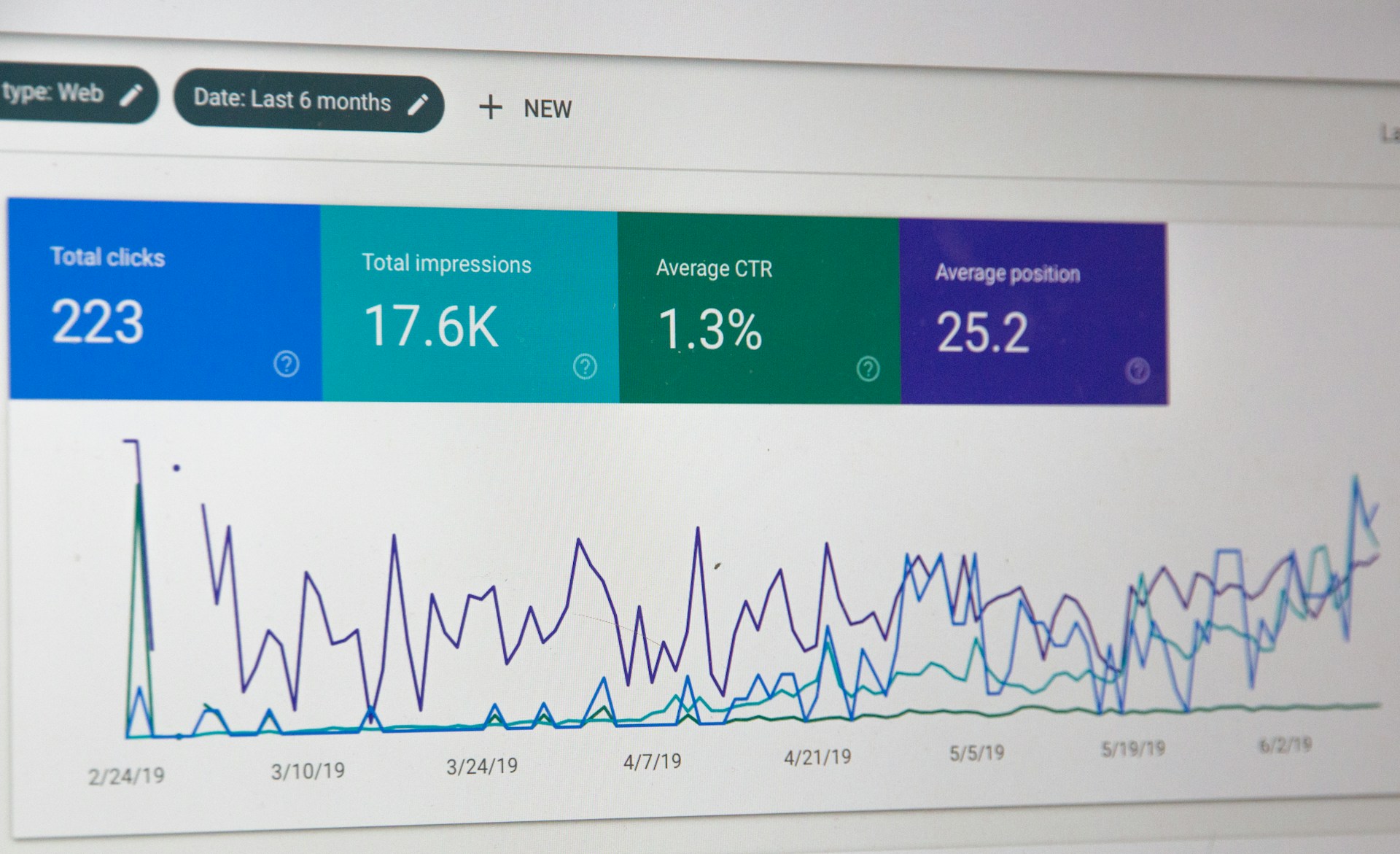
You need to keep track of how these improvements actually perform. Fortunately, you don’t need expensive tools to do this. Google provides free resources like PageSpeed Insights and Core Web Vitals reports in Search Console that show exactly where your site stands.
Set up monthly performance checks to catch issues before they impact your rankings. This proactive approach helps you stay ahead of competitors and adapt quickly to Google’s evolving standards.
Turning Core Web Vitals Into Business Growth
Core Web Vitals aren’t just another set of technical metrics to monitor. They’re fundamental indicators of your website’s ability to convert visitors into customers.
However, you don’t have to navigate this technical landscape alone. While your competitors struggle to understand why their rankings keep dropping, you now have a clear roadmap for improvement. By focusing on these vital metrics and implementing the strategies we’ve discussed, you can create a website that both Google and your customers prefer.
Ready to transform your website’s performance and capture the traffic your competitors are missing? Your Digital Solution specialises in helping businesses optimise their SEO in Australia for maximum ROI. Book your free strategy session today and let’s create a digital presence that truly delivers results.