
Your website is getting traffic. But the leads? They’re trickling in slower than you’d like.
Or maybe you’re ranking, but for searches that don’t convert into business.
Here’s the thing most marketing managers in Brisbane already know: the gap between traffic and leads usually comes down to on-page SEO that’s just not working hard enough.
The good news? Fixing it doesn’t mean rebuilding your entire site or risking the design your team finally approved six months ago.
What it does mean is focusing on the right elements, making clean updates that move the needle, and knowing which changes matter most for lead generation.
Better still, when you treat these improvements as the business investment they are, they become tax deductible under ATO guidelines.
Let’s walk through what’s worth your attention and how to improve results without breaking anything in the process.
What Counts as On-Page SEO Today?
On-page SEO covers everything that lives directly on your website and helps search engines understand what each page offers.
Think of it as the foundation that makes your content discoverable and useful.
The elements that matter most:
- Headings that clearly explain what the page covers, using terms people actually search for
- Metadata including title tags and descriptions that appear in search results and influence click-through rates
- Page speed because slow loading times cost you both visitors and ranking positions
- Internal links that guide users and search engines to other relevant pages on your site
- NAP consistency so your name, address, and phone number match everywhere they appear, building local trust
When your pages have clear structure, two things happen. People find what they need quickly. And search engines recognise your content as valuable enough to show in results.
Brisbane-based businesses should use relevant place names where they make sense, not crammed into every sentence. Link between pages covering nearby suburbs or related services. Keep it natural and helpful.
At Your Digital Solution, we build on-page SEO into a broader digital marketing strategy. That means updating metadata, refining headings, and improving site structure in ways that support your lead generation goals while maintaining the user experience your audience expects.
Can I Safely Update Content Without Breaking Layouts?
You don’t need to overhaul your entire site or touch a single line of code to improve SEO. Most meaningful improvements happen directly inside your website editor.
- Start with your top performers. Use Google Search Console to identify which landing pages already attract clicks. These are your best opportunities for improvement because they’re already working.
- Update H1 headings to match what people are searching for. Keep them short, specific, and clear about what the page delivers.
- Break up dense paragraphs into smaller, scannable sections. Remove anything that doesn’t directly help your visitor make a decision or find what they need.
- Write for your customer first. Clear, helpful copy wins with both search engines and real people. When you solve their problem quickly, everything else follows.
Taking this approach page by page keeps you in control. Scheduled, thoughtful updates tend to deliver better results than trying to fix everything at once.
What Should I Fix First for Local SEO Benefits?
Local SEO still comes down to trust signals. That starts with how consistent your business information appears across every touchpoint on your site.
- Verify your NAP details are identical wherever they show up. Even small variations can confuse search engines and cost you local ranking opportunities.
- Build internal links from blog posts to your service pages and contact pages. This creates clear pathways for both users and search engines.
- Include your location naturally in key headings or paragraphs. Something like “Brisbane-based builders you can count on” works because it adds context without feeling forced.
For lead generation, make sure your highest-value pages (services, bookings, contact) are easy to reach from multiple places across your site. Quick access helps users convert faster and signals to search engines which pages matter most for your business goals.
We work with clients to track and refine NAP consistency, create strategic internal links between local landing pages, and position calls to action where they’ll drive the most impact. The goal is always a digital presence that supports measurable lead generation and stronger local rankings.
How Can I Track Improvements Without Needing a Developer?
Once your updates go live, you need to know whether they’re working.
The good news? You can track meaningful results without technical expertise or a full analytics team.
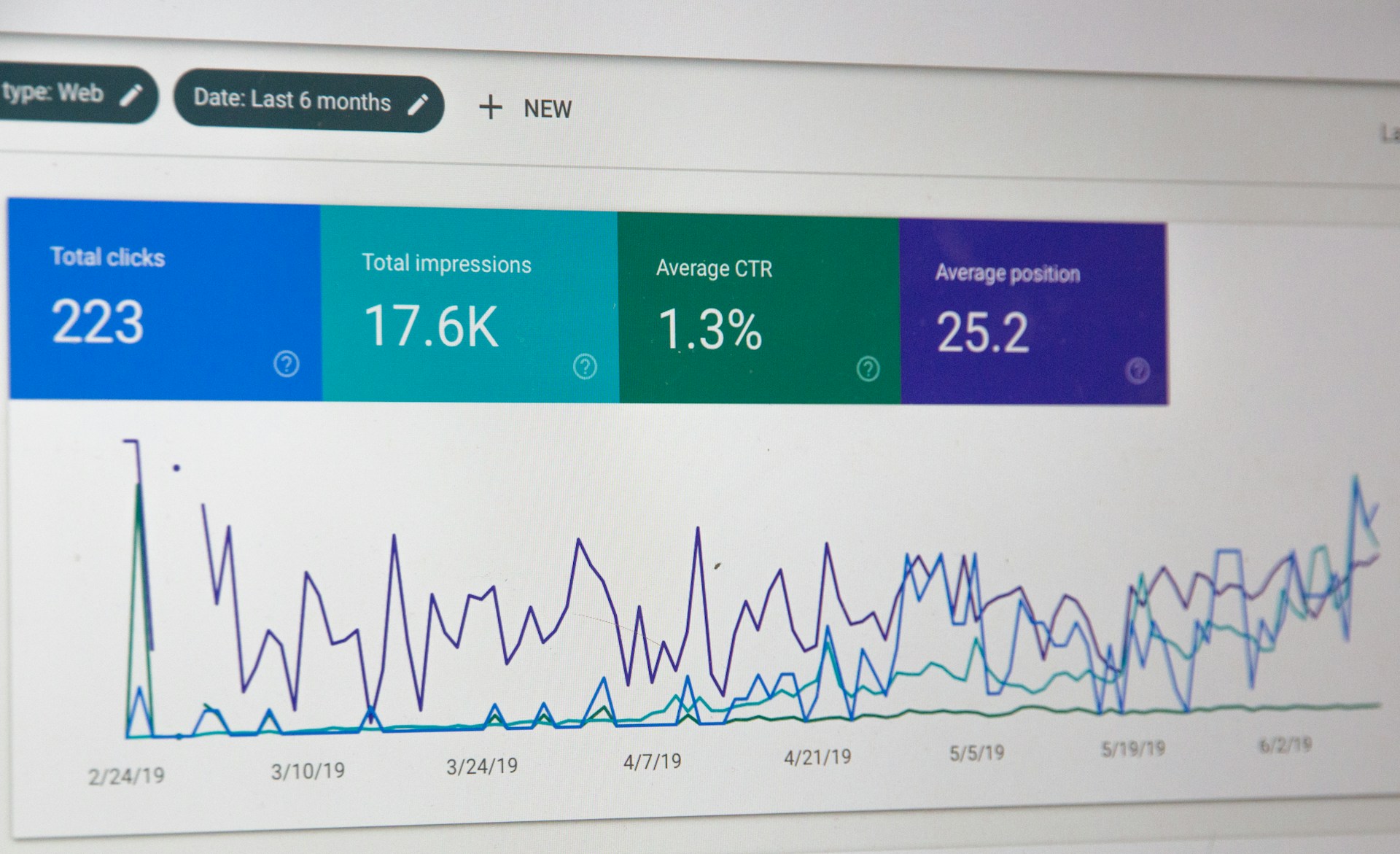
- Google Search Console shows you keyword impressions, click-through rates, and how your rankings shift over time. This tells you whether more people are finding and clicking on your pages.
- Google Analytics measures how long visitors stay on your pages and whether they complete valuable actions like filling out forms or making calls.
- Set simple goals to track the outcomes that matter to your business. Leads, phone calls, downloads, or booking requests.
You don’t need to monitor everything. Choose a few key pages and review the same metrics each month. Small but consistent growth tells you a change is working. If the numbers stay flat or drop, adjust your approach and test again.
This kind of tracking keeps you informed without overwhelming your schedule or requiring developer support every time you want to check progress.
Can I Claim SEO Work as a Business Tax Deduction?
Most business owners think of marketing as pure cost. But the ATO recognises it as a legitimate business expense when it’s used to build your brand or attract customers.
That includes website optimisation and digital strategy work.
Deductible SEO activities include:
- Updates to service pages that improve how you present your offerings
- Improving headings and content to help potential customers find you
- Online lead generation work including metadata and on-page adjustments
If your SEO work helps promote your business or makes it easier for potential customers to discover you, it typically qualifies as advertising. That makes it deductible at tax time.
This isn’t just about reducing tax liability. It’s about recognising SEO as a growth investment with financial benefits at both ends. You improve your digital presence while reducing your taxable income.
Frequently Asked Questions
Q: Can I improve SEO without redesigning my website?
A: Yes. Most effective SEO improvements involve updating headings, metadata, internal links, and improving content clarity rather than changing design or code. Strategic on-page updates can improve rankings and lead generation without affecting your site layout.
Q: What on-page SEO changes drive the fastest lead generation results?
A: Start by optimising H1 and H2 headings with search-focused keywords, improving meta titles and descriptions to increase click-through rates, strengthening internal links to key service and contact pages, and refining calls to action. Updating high-traffic pages first typically delivers faster measurable results.
Q: How does local SEO help Brisbane businesses get more leads?
A: Local SEO helps your business appear in Brisbane-based and “near me” searches. Consistent Name, Address, and Phone (NAP) details, natural suburb mentions, and strong internal linking between local service pages increase trust signals and improve both visibility and conversions.
Q: How can I track SEO improvements without technical skills?
A: You can monitor performance using Google Search Console to review keyword impressions, rankings, and click-through rates, and Google Analytics to track user behaviour and conversions. Focus on a few priority pages and review trends monthly to measure growth.
Q: Is SEO tax deductible in Australia?
A: In most cases, yes. SEO activities that promote your business or generate leads are considered marketing expenses under current ATO guidelines. This includes content updates, metadata improvements, and website optimisation work. Always confirm details with your accountant.
Q: Will Google penalise my site if I update too much content?
A: Not if your updates improve relevance, clarity, and user experience. Google rewards helpful, well-structured content. Avoid keyword stuffing, duplicate content, or hidden text, and focus on making pages more useful for real visitors.
Q: How long does it take to see results from on-page SEO?
A: Smaller improvements can show movement within four to six weeks. More competitive keyword gains and consistent lead growth typically develop over two to three months, depending on your industry and optimisation consistency.
Stay Visible, Stay Smart
Fixing your on-page SEO doesn’t need to feel overwhelming or risky. Small, focused improvements on the right pages help you show up in more searches, particularly for local traffic in your area.
These updates support long-term strategy. They give you data to build on and help attract better quality leads over time. When you align them with EOFY planning, they also count as a smart tax decision.
The key is working with clear purpose, tracking what matters, and treating SEO as a long-term asset rather than a one-off project.
Ready to see real results from your digital strategy?
At Your Digital Solution, we help businesses build stronger online presence through proven methods and targeted strategies for lead generation in Brisbane. With the right structure, content, and tracking in place, your website can consistently deliver quality leads and drive measurable growth.
Let us help you create a digital presence that works harder for your business while supporting your brand standards and existing site layout.