
How Long Does SEO Really Take in Brisbane?
Most Brisbane businesses start seeing early movement around the three-month mark, more meaningful results between six and twelve months, and stronger compounding gains building steadily after that.
If an agency is promising page-one rankings within a few weeks, treat that as a serious red flag. What they are offering is a story, not a realistic plan.
When SEO is genuinely working, you should see more of the right keywords ranking on page one rather than a single branded term nobody else searches for. Traffic quality improves to match your actual services and locations. And the enquiries coming through are ones your sales team is happy to receive.
SEO is something you build over time. Unlike paid ads, there is no tap you can switch on for instant results. How quickly you see progress depends on how competitive your industry is, how healthy your website is right now, and how well your SEO activity integrates with everything else happening in your digital presence.
Why Does SEO Take Months, Not Weeks?
Google does not trust a new site automatically. It has to crawl your pages, index them, then observe how they perform against competing sites over time. That observation phase, where Google watches how real searchers engage with your content, is what accounts for most of the delay.
Two things drive the timeline more than anything else. The first is trust: is your site technically sound and safe enough to serve to searchers? The second is authority: do other credible sites and real users treat you as a genuinely useful source? Both take time to establish, and neither can be rushed convincingly for long.
A site that is brand new, or one that has been neglected for years, simply will not leapfrog well-established competitors overnight. There are also some common issues that tend to slow progress down considerably:
- Thin content that barely scratches the surface of what your services do
- A confusing site structure with broken internal links
- Slow load times, particularly on mobile devices
- Weak or spammy backlinks pointing to your domain
- Frequent platform migrations or half-finished redesigns sitting in limbo
In highly competitive industries, you are also fighting for the same rankings as businesses that have spent years building their authority. The ones sitting on page one did not get there by accident, and they are not planning to give up that ground easily. Steady, compounding work across your technical foundations, content quality, and authority profile is what closes that gap. One burst of activity followed by months of silence rarely does.
How Long Does SEO Take for Different Business Types?
Two businesses can start SEO on the same day, in the same industry, and have completely different timelines. What you are walking in with matters just as much as what you are trying to achieve.
New Website in a Competitive Industry
Building from scratch means establishing everything at once: content, trust, and authority. Expect the first signs of traction somewhere between three and six months, with solid rankings and genuine lead flow arriving between six and twelve months. In heavily contested spaces like legal or finance, push that estimate out further.
Established Site That Has Never Done SEO Properly
If your site already has some history and traffic but no structured SEO behind it, you can usually move faster. Early lifts tend to appear in the three to six month window as technical fixes and improved content go live, with stronger gains building through to the twelve month mark as authority develops around your core topics.
Already Doing SEO but Stuck on Page Two
This is often the fastest scenario. Noticeable ranking shifts can happen within the first few months, with real lead growth following as you break onto page one for key services and locations. Sites in this position are usually missing a handful of fundamentals:
- Clear internal linking between related pages
- Deeper, more useful content on core service pages
- A small number of quality, relevant backlinks
Targeting Brisbane specifically rather than chasing national rankings can also shorten timelines when your content clearly signals local relevance.
A few business factors play into pace as well. How much budget is available each month, how quickly approvals move for new content and technical changes, and whether the site stays stable or keeps getting redesigned all make a real difference.
What Should You See at 3, 6 and 12 Months?
Around 3 Months
A cleaner site structure with key pages mapped to specific keywords, fewer technical issues holding back crawling and indexation, and early ranking movement on longer-tail terms. Total traffic numbers may still be modest at this stage and that is completely normal.
Around 6 Months
Rankings for priority services and local phrases should be strengthening. Local pack and Maps visibility tends to improve around this point too, along with a noticeable lift in organic enquiries from well-optimised pages.
Around 12 Months
Stable first-page rankings for core services and primary locations, a consistent flow of organic leads, and content that regularly attracts the right visitors rather than random traffic.
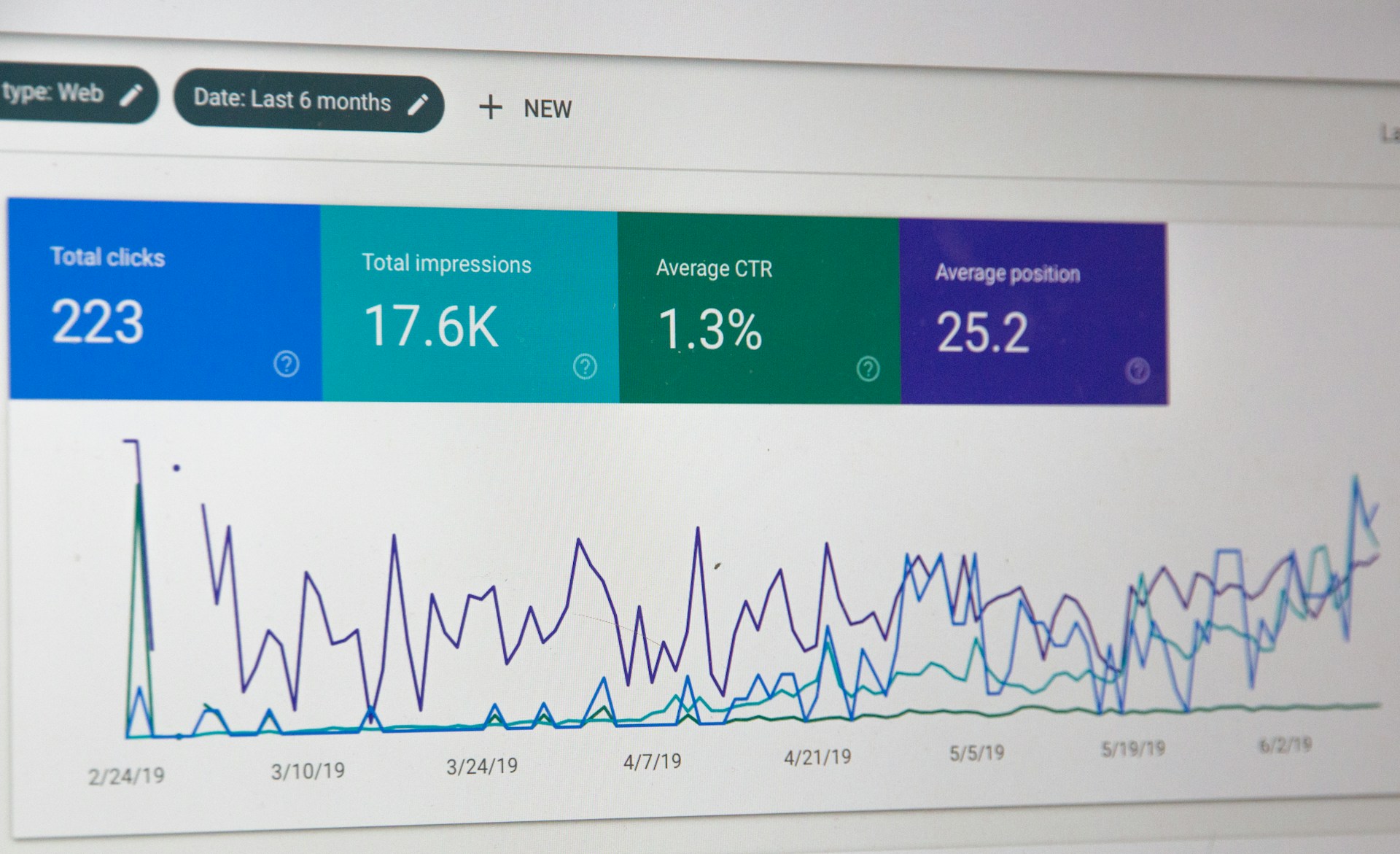
The trend line is rarely smooth. Rankings fluctuate, competitors react, and Google updates roll through. What matters is the overall direction over time.
Worth watching for at any stage: no real technical work being completed on the site, content that has not improved for key services and locations, and reports that focus purely on rankings with no connection to leads or revenue. Healthy reporting ties SEO activity to lead quality and cost per lead over time.
How Can You Speed Up SEO Without Wasting Money?
You cannot make Google move faster, but you can remove the bottlenecks on your side. Fast approvals for technical fixes and content mean work goes live rather than sitting in a queue. Clear priorities around specific services and locations beat trying to chase everything at once. And a stable, fast, mobile-friendly site gives SEO a solid foundation to build on.
A focused content plan also helps Google understand your business more quickly. That means detailed service pages that answer real questions, supporting articles covering common FAQs and objections, and local content that clearly signals your region.
Authority building should stay slow and clean. Quality backlinks and genuine partnerships are far more durable than shortcuts that risk penalties down the line.
SEO also performs better when it is connected to the rest of your marketing. Paid ads can bring in leads while organic rankings are still building. SEO data can sharpen your ad targeting and improve landing page performance. And strong web design ensures the traffic you earn converts.
How Do You Know If Your SEO Is Not Working?
If you are three to six months into a campaign and something feels off, a few straightforward questions help clarify the situation quickly.
Do you know what your provider is actually doing each month? Are reports connecting activity to leads and revenue, or just to rankings? Has any technical work genuinely been implemented on the site? Has new or improved content been created for your key services and locations?
If most of those answers are no, the campaign is likely not on track.
Healthy SEO communication looks like clear goals set at the start and revisited regularly, monthly updates in plain language rather than jargon, reporting that covers traffic, rankings, leads, and conversion rates, and a plan that adjusts based on what is and is not working.
If things feel off, ask for a written plan, request access to your analytics and Search Console, and consider a second opinion from another Brisbane SEO provider.
FAQs for Busy Marketers and Owners
Q: How long does SEO take to show results?
A: Most businesses see early movement within 3 months, stronger improvements between 6 and 12 months, and ongoing growth after that.
Q: Can SEO work faster than 3 months?
A: Sometimes. Technical fixes, low competition, or an established website can deliver quicker wins, but sustainable SEO still takes time.
Q: Why does SEO take so long?
A: Google needs time to crawl, index, and assess your content against competitors. Building authority and trust doesn’t happen overnight.
Q: Should I stop SEO once I reach page one?
A: No. Rankings need ongoing maintenance because competitors, search behaviour, and Google’s algorithms are constantly changing.
Q: What should I expect after 6 months of SEO?
A: By six months, many businesses see improved rankings, more organic traffic, and an increase in enquiries from their priority services and locations.
Q: How do I know if my SEO isn’t working?
A: Warning signs include no technical improvements, little or no new content, unclear reporting, and no connection between SEO activity and leads or revenue.
Q: Can paid ads replace SEO?
A: Paid ads deliver immediate visibility, while SEO builds long-term traffic and leads. For many businesses, combining both channels delivers the best results.
Boost Your Local Visibility And Start Attracting Better Leads
If you are ready to climb the rankings and bring in more qualified local traffic, our tailored SEO in Brisbane services can help you get there. At Your Digital Solution, we focus on practical strategies that align with your goals and budget, not one-size-fits-all packages. Tell us about your business and we will map out the next steps to improve your search performance. Have questions or want to talk it through first? Simply contact us and we will walk you through your options.