
Why Your Content Isn’t Ranking (And What to Fix First)
Your competitor’s article looks like it was written during a lunch break. The formatting is basic. The insights are nothing special. And yet there it sits… right at the top of Google for every search that actually matters to your business.
Meanwhile, the content you put real thought into is sitting somewhere on page two.
That gap is genuinely maddening. And the instinct to just publish more content? Almost never the answer.
In most cases, the content already exists. The problem is that search engines don’t recognise it as the clearest, most relevant answer to what people are actually searching for. Fix that alignment, and the rankings tend to follow.
Here are the real reasons your pages are stalling, and what to do about each one.
1. Your Content Is Speaking the Wrong Language
Most business websites talk about what they offer. Most searches are about what someone needs right now.
That gap is where visibility disappears.
Say you’re a plumber and your page is titled “Residential Plumbing Services.” Meanwhile, your potential customer is typing “why is my hot water running cold” into Google at 7am in a panic. Search engines try to match real language from real people — and if your content doesn’t reflect how your customers actually describe their problems, the algorithm moves on without you.
This is not about keyword stuffing. It’s about genuinely understanding what your customers are searching for and writing content that meets them there.
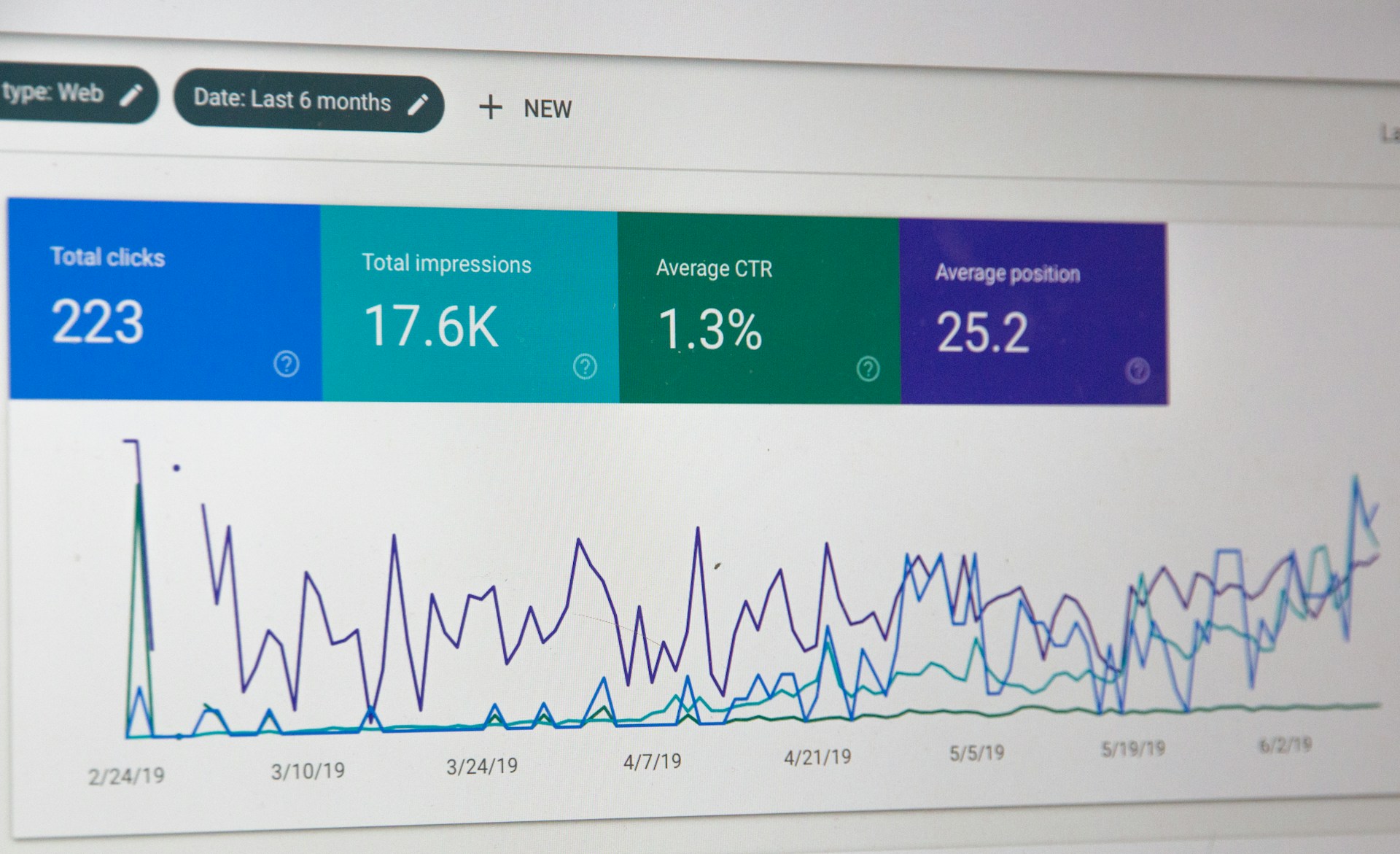
Pull up each of your key pages and ask yourself honestly — what specific search is this page actually answering? Then check Google Search Console, run a basic keyword tool, or simply write down the questions your team gets asked every single week. Real questions from real customers are the most underused content asset most businesses have sitting right in front of them.
From there, update your page titles, headings, and opening paragraphs to reflect that language. Not internal jargon. The actual words your customers use when they have a problem they need solved.
Most of the time, you do not need more pages. You just need the ones you already have to speak the right language.
2. You’re Publishing Content Instead of Building Authority
One page about a topic does not tell Google you are an expert on it. It tells Google you mentioned it once.
Search engines reward depth. They look for websites that cover a subject from multiple angles, connect related ideas, and demonstrate genuine breadth of understanding. A scattering of unrelated pages builds thin authority at best.
The approach that actually works is building topic clusters.
Start with one strong, comprehensive page covering a core service. Then build outward — a handful of focused supporting pages that go deeper on the specific questions people ask around that same subject.
If you run a restaurant and have a core “Private Dining” page, supporting content might answer what’s included in a set menu, how far in advance to book for large groups, and whether you accommodate dietary requirements. Each of those pages links back to the main one, and to each other where it makes sense.
That structure sends a clear signal to search engines: this business understands this topic from multiple angles.
Pick three to five core services or problems you solve. For each one, map out the questions your customers genuinely ask. Turn those into focused supporting pages and connect them with internal links.
3. Your Best Information Is Buried
Strong content can still underperform when it’s hard to read.
Search engines extract answers from clear, structured pages. If your key point is sitting in paragraph seven of a wall of text, it may as well not exist — for both Google and the real person trying to find an answer between jobs.
Some of the most common issues:
- Long introductions that circle around before saying anything useful
- Headings that describe the tone of a section rather than the actual content
- Large unbroken text blocks with no visual breathing room
- Subheadings that don’t mirror the questions people are actually searching for
Lead with your direct answer, then build the context below it. Use headings that describe the content clearly. Break paragraphs into digestible sections. Make it scannable enough that someone reading on their phone while waiting for a customer can get the core idea in thirty seconds.
This is not about dumbing things down. It’s about respecting how people actually read content online.
4. Your Site’s Foundation Is Working Against You
Content does not rank in a vacuum. It ranks on top of a technical base, and if that base is shaky, even well-written pages struggle to compete.
Some of the most common issues that quietly drag rankings down:
- Slow load times, particularly on mobile
- Poor mobile layouts that make content difficult to navigate
- Missing, duplicate, or weak page titles and meta descriptions
- Thin pages that don’t give search engines much to work with
Authority is part of this picture too. If your site has few quality backlinks and inconsistent business details scattered across the web, search engines have less reason to trust you with their users.
Start with a straightforward technical check — speed, mobile usability, indexing, broken links. Fix the most significant issues first. Then tighten your page titles and meta descriptions so each one clearly communicates what the page solves and who it’s for.
Build links the sensible way: local directories, industry associations, supplier websites, and community organisations relevant to your area.
You do not need a flawless setup. You need a clean enough foundation that your content can compete on level footing.
If You’re Short on Time, Here’s Where to Focus
Most business owners are not just managing their website. They’re managing everything. So if you cannot address all of this at once, this is the order that tends to produce the fastest results.
Start with intent and language. Go through your main service pages and update them to answer specific, real questions in plain language. This alone can move rankings faster than most people expect.
Then build topical depth. Choose your most important services and create simple topic clusters around them. A handful of focused supporting pages with solid internal links can meaningfully shift how Google perceives your authority on a subject.
Finally, clean up the technical basics. Speed, mobile experience, indexing, and any duplicate content issues. Not glamorous work, but it matters more than most people realise.
The common thread: the goal is not to publish more. It’s to make what you already have easier for search engines to find, understand, and trust.
FAQs
Q: Why is my competitor ranking above me when their website looks worse?
A: This is one of the most common frustrations we hear, and it almost always comes down to factors beyond the writing itself. Your competitor may have stronger domain authority built over years, more relevant backlinks from trusted local sources, a cleaner technical setup, or pages that more precisely match search intent — even if the content looks thinner to a human reader.
The goal is not to win a writing competition. It’s to make your pages easy for search engines to understand, trust, and surface. That means aligning intent, structure, authority, and technical fundamentals together.
Q: Do I need to rewrite all my content to start ranking?
A: Rarely. Most businesses see meaningful improvement faster by refining what already exists.
Start with your main service pages. Sharpen the headings so they match what people are actually searching for. Add internal links to related content. Fill any obvious topic gaps. Do that work first, and you will have a much clearer picture of which pages, if any, genuinely need a full rewrite.
Ready to Show Up Where Your Customers Are Searching?
If you want to appear where your customers are actually asking questions, the team at Your Digital Solution can help you put these principles into practice. We focus on clear, practical answer engine optimisation that aligns with how people search today — not how the algorithm worked five years ago.
Tell us what you are working toward and we will put together a straightforward plan. Reach out to get started.