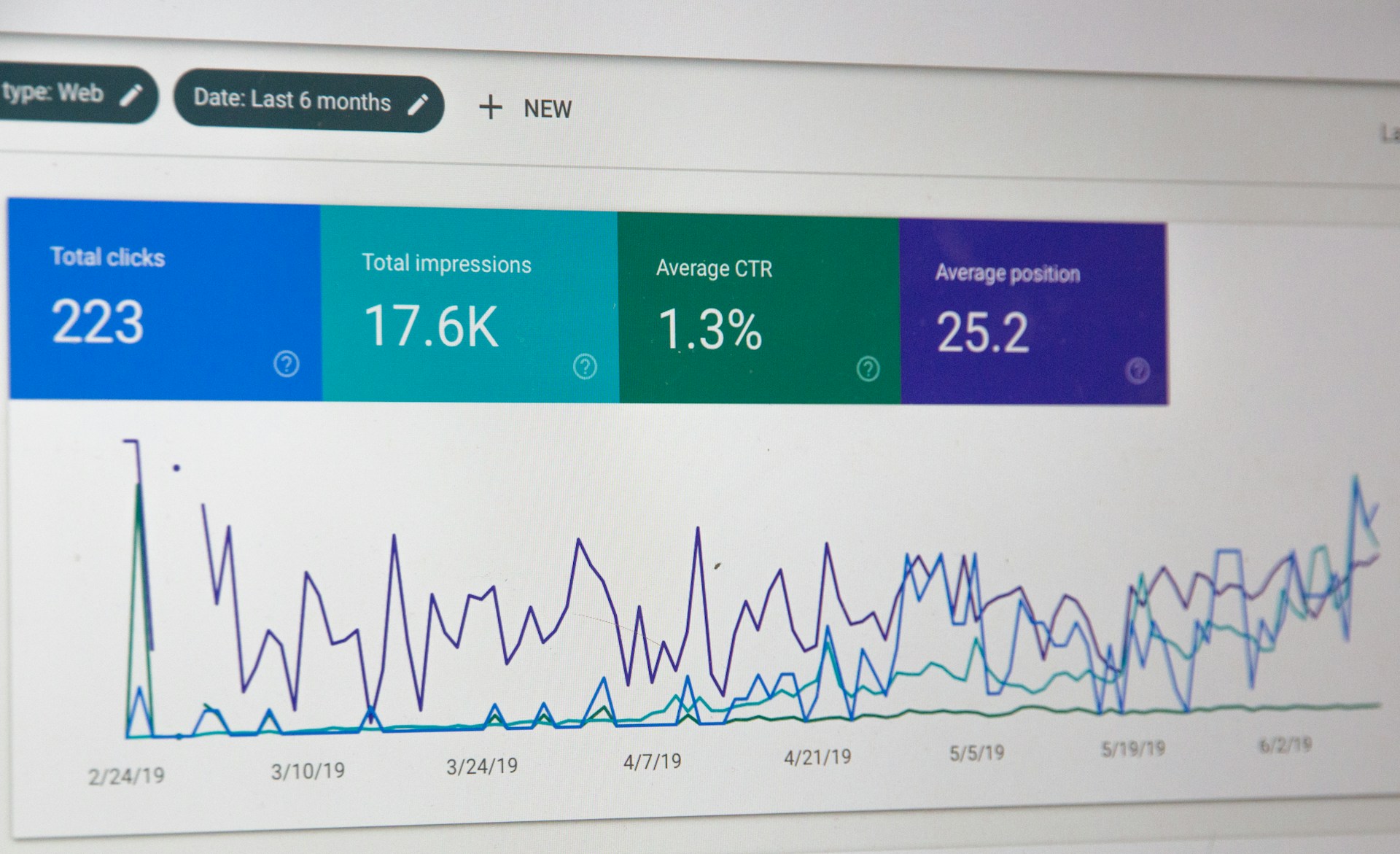

Search traffic from AI tools is climbing steadily.
But if you’ve been watching your analytics… you’ve probably noticed something odd.
Those AI-driven visits look promising at first glance. Nice traffic numbers. Decent session times, sometimes.
Yet when you dig deeper? They’re not converting into leads. They’re not turning into sales.
For marketers already under pressure to prove ROI… this feels like watching potential slip through your fingers.
But AI behaviour is shifting right now.
These tools are moving from simple answer machines toward something closer to decision-making assistants. Businesses that understand this shift early are the ones investing in smarter content structures, better tagging, and messages that AI tools can parse and prioritise. They’re positioning themselves beautifully for what’s coming.
Because when AI assistants fully evolve into trusted advisors for your customers, you’ll want to be the brand they’re recommending.
This isn’t just about visibility anymore.
It’s about being ready when AI traffic transforms from curious browsers into qualified buyers. The strategic work you do now to prepare also strengthens your tax-deductible marketing investments.
Let’s explore why this matters now and what you can start doing today to benefit tomorrow.
Why Does AI Traffic Convert Poorly at the Moment?
AI traffic often lands on your site without any real intent to buy or take action.
It’s fundamentally different from someone typing a specific question into Google with a clear goal in mind. These AI visits typically come through voice commands or assistant queries that pull surface-level content rather than pages designed to convert.
Most websites haven’t adjusted to this kind of interaction yet.
They’re built for human browsing first. Not for AI summaries or intent-driven discovery. That’s why bounce rates from AI traffic tend to run surprisingly high. People get the quick answer they asked for from the AI tool, then leave without clicking deeper into your site.
There’s another challenge too.
Most businesses are still optimising exclusively for traditional search engines. They’re not thinking about how AI filters information or fetches answers. Without clear signals like structured data or demonstrated topic authority, AI tools might surface your content briefly but skip right past it when someone’s looking to make a decision.
Your content gets seen but not acted on.
And that gap between visibility and conversion? That’s what we need to close.
What Signals a Shift Is Coming?
AI tools are getting smarter. More importantly, users are starting to delegate real decisions to them.
People aren’t just asking for quick facts anymore. They’re asking AI to help with product research, service comparisons, and purchasing decisions. The role of these systems is shifting from simple answer machines to something much closer to trusted digital assistants.
This matters because the way people search is fundamentally changing.
AI now influences the buyer’s journey before someone ever clicks through to your site. Summarised answers, voice-triggered results, and quick previews are shaping what users consider and what they scroll past. If your content isn’t formatted to be clearly understood by AI, you’re at risk of not appearing in these crucial early conversations at all.
What’s changing most is how value gets defined in search.
Visibility won’t come from backlinks or keywords alone anymore. Brands using clear content structures, logical information flow, and well-organised data will be far easier for AI to prioritise and recommend.
This is where answer engine optimisation is genuinely valuable.
It’s about preparing your content to fit what AI tools need to understand, index, and ultimately recommend to users making decisions.
How Should Marketers Adapt to Benefit Later?
The shift to AI-influenced traffic won’t happen overnight. But we’re already seeing the early signs.
Now is the time to start adjusting how you build and track content so you’re positioned to benefit when this becomes the norm.
Tag content with a focus on meaning, not just keywords. AI tools respond far better to logical structure than keyword-stuffed fluff.
Use structured content that feeds clearly into voice or assistant-based results. This gives your content a genuine shot at appearing in AI-generated responses.
Optimise for high-intent searches that AI tools identify. Think questions like “Where can I get…” or “How do I choose…” These phrases signal buying intent, and AI is learning to recognise them.
Track new types of interactions separately. If visitors coming from AI prompts behave differently than traditional search traffic, isolate them in your analytics. Study what they respond to and where they drop off.
By treating AI traffic as its own distinct segment, you stop expecting it to follow old conversion patterns.
That shift in thinking will help you build smarter funnels, move qualified leads further along the journey, and avoid wasting resources on visitors who were never going to convert in the first place
How Can This Be a Smart Marketing Tax Deduction?
Improving your content to serve both human visitors and AI tools doesn’t just make your marketing more effective. It can also be classified as a legitimate business expense under ATO guidelines.
If your business is investing in clearer SEO, structured campaigns, or content that supports answer engine optimisation, these activities qualify as advertising or promotional costs. They have long-term benefits and can be deducted come tax time.
That includes investments like:
Paid SEO audits and site strategy work that improve how AI tools discover and prioritise your content
Content updates aimed at improving AI discoverability and structured data implementation
Tracking tools built to monitor how digital visits behave across different traffic sources
Agency or freelancer work that delivers measurable digital growth through answer engine optimisation
The key is proper documentation and clear intent.
Speak with your accountant about setting up records for these marketing investments. Framing this kind of digital strategy as business development helps demonstrate that it directly supports growth. And that connection between investment and revenue potential is what can genuinely reduce your tax bill.
Frequently Asked Questions
Q: Why isn’t my AI traffic converting into sales?
A: Many AI visits right now lack buying intent. People ask questions, get their answers, then move on without clicking deeper or taking action.
Q: What is answer engine optimisation and why does it matter?
A: Answer engine optimisation is the practice of formatting your content so AI tools and voice assistants can understand and use it. Unlike traditional SEO that focuses on ranking in search results, answer engine optimisation helps your content get selected when people ask AI for recommendations, comparisons, or advice. As AI becomes more involved in purchase decisions, this kind of optimisation will determine whether you’re part of the conversation.
Q: How is answer engine optimisation different from regular SEO?
A: Traditional SEO focuses on ranking your page in search results so people can click through. Answer engine optimisation focuses on making your content clear and structured enough that AI can extract it, summarise it, and present it as an answer without users ever visiting your site. Both matter, but they serve different parts of the customer journey.
Q: Do I need to completely rebuild my website for answer engine optimisation?
A: Not at all. Most answer engine optimisation work involves adding structured data, clarifying your content organisation, and making sure your key information is formatted logically. It’s more about refining what you already have than starting from scratch.
Q: Can marketing expenses like answer engine optimisation be claimed as tax deductions?
A: Yes. According to the ATO, expenses tied to digital promotion and business development count as deductible business costs. That includes SEO work, content development, campaign planning, and answer engine optimisation strategies if they’re genuinely aimed at bringing in new business.
Q: How do I make sure my marketing investments are tax-effective?
A: Keep clear records like invoices, project summaries, and performance reports. Structure your marketing plans with specific business goals in mind and make sure they align with what the ATO approves as deductible expenses. Your accountant can help you frame these investments properly so they support both growth and tax efficiency.
Start Building Your AI-Ready Digital Presence Today
The businesses thriving in tomorrow’s AI-driven search landscape are the ones making strategic moves today.
Answer engine optimisation isn’t just another marketing buzzword. It’s about positioning your brand to be discovered, trusted, and recommended when AI tools become the primary way people make buying decisions.
At Your Digital Solution, we specialise in helping Australian businesses navigate exactly this kind of shift.
We don’t just help you rank. We help you own the conversation in both traditional search and emerging AI channels. Our comprehensive approach connects content creation, structured data, and strategic optimisation to turn your digital presence into a genuine lead-generating asset.
Ready to future-proof your digital presence before your competitors catch on?
Let us help you unlock your website’s true potential with answer engine optimisation strategies that prepare you for what’s coming next.