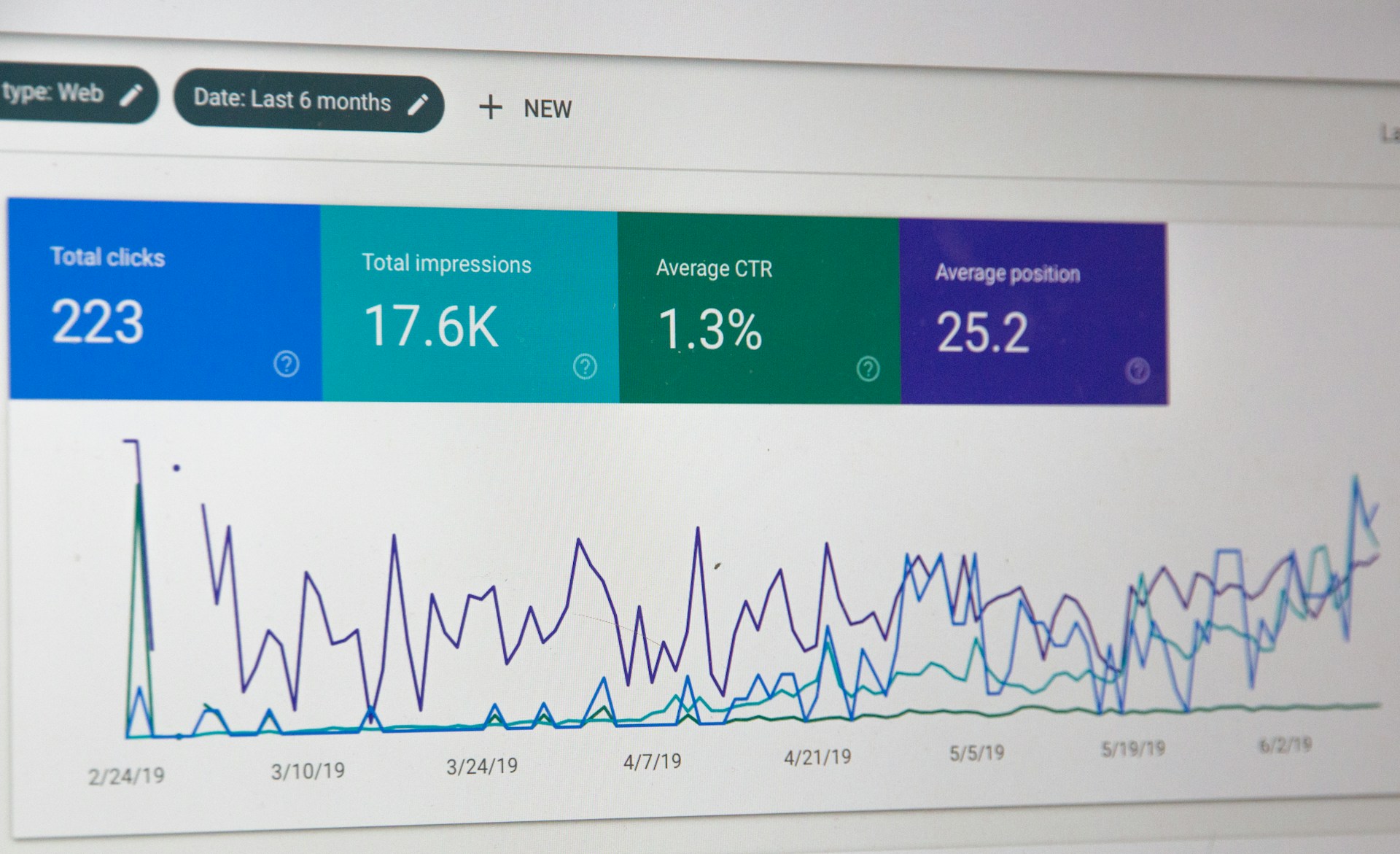

You’re sitting at your desk on a quiet Tuesday morning, checking your website analytics. The numbers aren’t good. Your rankings keep bouncing around without any clear reason why. You’ve invested in quality content, followed all the SEO best practices, but something still isn’t clicking.
But here’s what’s really keeping you up at night: Your competitors. They seem to be everywhere lately. Top of Google. Featured snippets. All the spots you used to own. The thing is, the problem might not be your competitors at all. Your biggest competition could be coming from inside your own website.
It’s called keyword cannibalisation. And while it sounds complex, it’s actually pretty straightforward. It happens when multiple pages on your website are all trying to rank for the same search terms. When five different pages on your site are all optimised for the same keyword, they’re not working together. They’re actually fighting each other for attention. Each page dilutes the others’ power. Google gets confused. Your rankings suffer.
For businesses across Australia, this silent killer of SEO performance is more common than you might think. Most website owners don’t even realise it’s happening until their traffic takes a serious hit. The good news? Once you spot it, fixing keyword cannibalisation is completely doable. Even better, sorting it out can give your rankings a serious boost.
Ready to stop your website from getting in its own way?
Understanding Keyword Cannibalisation
Every time you create content targeting a specific keyword, you’re essentially telling Google “this page is the best answer for this search”. But when multiple pages make that same claim? That’s keyword cannibalisation in action.
Most business owners stumble into this problem completely by accident. Your marketing team writes a great blog post about social media marketing. Three months later, they create another one because the topic is trending again. Six months pass, and your service page gets updated to target the same keyword. Suddenly you have three different pages all raising their hands, trying to get Google’s attention for the same search term.
The results can be devastating to your SEO efforts. Instead of having one strong page that clearly signals its relevance to Google, you end up with multiple weaker pages competing for attention. Google’s algorithms get confused about which page to prioritise, leading to fluctuating rankings and lost opportunities. Your overall search visibility suffers because you’ve essentially diluted your own authority.
Think about it from your visitors’ perspective too. Someone searches for your target keyword and finds your website. But which version of your content do they land on? The comprehensive guide from last year? The quick tips post from last month? Or your service page? When you spread your expertise across multiple pages, you’re not just confusing Google. You’re potentially frustrating potential customers who might not find your best content on their first try.
The good news is that this isn’t a permanent problem. With the right strategy, you can consolidate your content’s power and create clear signals that both Google and your visitors will appreciate. The key is understanding how to identify these issues and knowing exactly what to do when you find them.
Identifying Keyword Cannibalisation Issues
The first sign of keyword cannibalisation often appears before any technical analysis. It surfaces when you are writing new content and realise you have covered this topic before. That gut feeling is worth paying attention to.
However, systematic identification requires more than intuition. Here are the three most effective methods for uncovering keyword cannibalisation in your content.
- Professional SEO tools like SEMrush or Ahrefs act as your primary diagnostic tool. These platforms efficiently analyse which pages are targeting identical or similar keywords. Look beyond simple overlap reports. Focus on pages actively competing for the exact same search terms.
- Manual content audits remain surprisingly effective despite their traditional approach. Begin with your most valuable keywords and methodically search your own site for related content. Review page titles, meta descriptions, and heading structures. This process often reveals competing pages that automated tools miss, particularly in content that has evolved over time.
- Google Analytics data reveals the true impact. Watch for multiple pages ranking for identical terms with unstable performance. Pay particular attention to previously high-performing pages showing sudden ranking drops. This often signals new content cannibalising established pages.
Your goal is not to eliminate every instance of keyword overlap. Some topics genuinely warrant multiple pages. The key is identifying where this overlap actively damages your performance and prioritising those corrections first. Focus on situations where pages compete rather than complement each other.
Imagine you have a comprehensive guide about “Small Business Tax Deductions” that ranked #3 last year but now bounces between pages 2 and 3. Upon investigation, you discover three newer blog posts all targeting variations of “business tax deductions”. This is harmful cannibalisation because your authoritative content is now competing with multiple smaller posts, splitting your ranking power and confusing both Google and visitors.
However, having a main service page about tax services, a blog post about filing deadlines, and a guide about deductions would not be harmful because each targets distinct search intents, even though they share the broader topic of business tax.
Fixing Keyword Cannibalisation
Once you have identified competing pages, fixing the issue becomes straightforward. Here is your practical action plan:
- Content Consolidation: Create one authoritative piece from multiple competing articles. Choose your strongest page as the foundation, then incorporate the unique insights from other pages. This not only solves cannibalisation but creates more valuable content for your readers.
- Implement 301 Redirects: After consolidation, set up proper 301 redirects from the old URLs to your new authoritative page. This preserves the SEO value from your original content and transfers it to your consolidated page. Your developer can help implement these redirects through your content management system.
- Differentiate Remaining Content: For pages that cannot be consolidated, revise your keyword strategy. Ensure each page targets distinct search terms. Your main service page might target “Melbourne accountant services”, while related content focuses on specific topics like “small business tax planning tips”.
- Strategic Internal Linking: Update your internal links to consistently point to your chosen authoritative pages. This sends clear signals to search engines about which page should rank for specific terms. Review your site’s navigation, footer links, and related content sections.
- Document Your Strategy: Create clear guidelines about which keywords each section of your site should target. This prevents future cannibalisation by establishing a framework for new content creation. Include these guidelines in your content planning process.
Maintaining Effective SEO Services in Australia
Once you have resolved existing keyword cannibalisation issues, preventing future problems becomes your priority. Here is how successful Australian businesses maintain their SEO effectiveness:
- Regular Content Audits: Schedule quarterly reviews of your highest-performing pages. Look for new content that might compete with your established pages. This proactive approach helps identify potential issues before they impact your rankings. Make this review a standard part of your content management process.
- Strategic Content Planning: Before creating new content, review your existing pages. This simple check prevents accidental cannibalisation and ensures each new piece adds unique value to your site. Your content should build upon your existing resources rather than competing with them.
- Professional SEO Support: Consider partnering with SEO specialists who understand the Australian market. Their expertise helps monitor your site for new cannibalisation issues, guide your content strategy, and keep your approach aligned with current best practices. This ongoing support often proves more cost-effective than fixing problems after they impact your rankings.
- Local Market Focus: Australian businesses face unique challenges and opportunities. Ensure your content strategy reflects local search behaviour, industry terms, and regional differences. This localised approach helps maintain strong rankings for your target market while building stronger connections with your audience.
Remember, maintaining strong SEO results requires ongoing attention. Treat your website like any other business asset – regular maintenance prevents costly problems down the track.
Your SEO Success Path
Keyword cannibalisation might seem like another technical headache to add to your growing list. However, it’s actually an opportunity to streamline your digital presence and strengthen your overall SEO strategy.
By implementing a systematic approach to content management, you can transform competing pages into complementary assets. This not only improves your search rankings but also creates a better experience for your visitors.
Need help untangling your website’s keyword strategy? At Your Digital Solution, we partner with businesses to transform digital complexity into strategic advantage. Our team understands both the technical requirements of SEO and the outcomes you need to deliver.
Book a SEO Services strategy call to discuss how we can help strengthen your digital presence while simplifying your marketing execution.