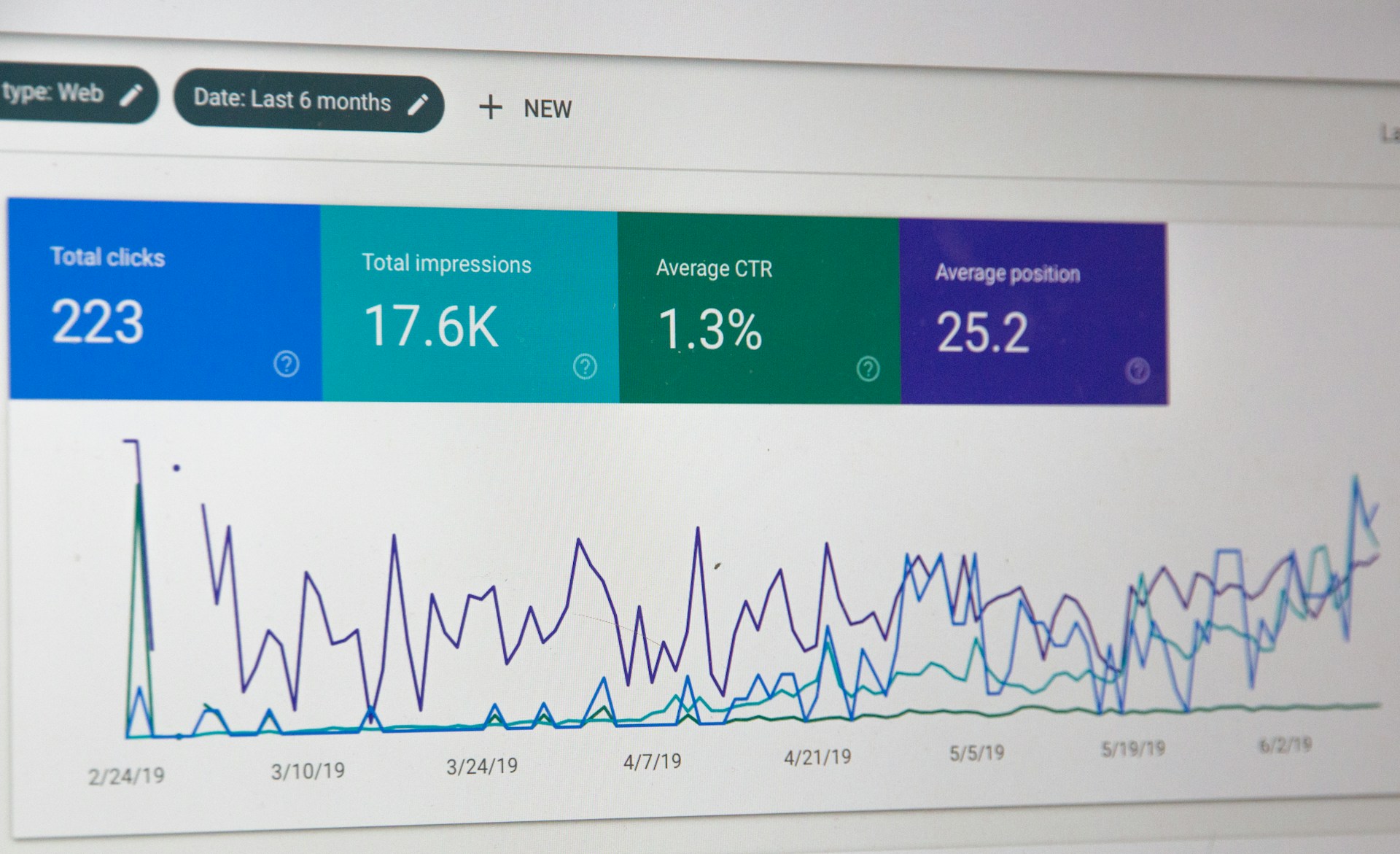

That sinking feeling when you check your Google Ads dashboard at 2pm… and your entire daily budget has already disappeared.
Again.
You’re staring at clicks that don’t convert. Leads that go nowhere.
Sound familiar?
Across Brisbane, marketing managers are facing the same digital dilemma. They know Google Ads should work. They’ve seen competitors succeeding with paid search. But somehow their budgets keep evaporating without delivering the ROI that justifies the spend.
Here’s what we’ve learned after working with hundreds of Australian businesses: Google Ads isn’t broken. But most campaigns are built on shaky foundations that guarantee budget waste.
The encouraging news? When Google Ads are structured correctly and managed strategically, they become one of your most reliable lead generation channels.
But before we explore ROI optimisation, let’s identify exactly why your ad budget might be disappearing faster than you can justify it.
5 Silent Budget Killers Sabotaging Your Google Ads Performance
Many Google Ads campaigns are sabotaged before they even launch.
Not by competitors or algorithm changes but by fundamental structural issues that guarantee budget waste.
We’ve audited hundreds of Australian campaigns, and the same costly mistakes appear again and again. These aren’t technical glitches or bad luck. They’re strategic oversights that transform promising budgets into expensive lessons.
The Budget Killers:
- Keyword targeting without intent mapping: Your ads might reach thousands of people, but if they’re searching for free solutions while you’re selling premium services, every click burns money. Broad keywords feel comprehensive but often attract bargain hunters instead of qualified prospects.
- Missing negative keyword strategies: Without excluding irrelevant searches, your campaigns become digital black holes. Your premium accounting firm could be paying for clicks from people searching “free tax advice” or “DIY bookkeeping”.
- Set-and-forget scheduling: Running ads during off-hours might seem like casting a wider net, but you’re essentially paying for leads that won’t be serviced until tomorrow. Meanwhile, your competitors are capturing the immediate responders.
- Geographic targeting gaps: Brisbane businesses often discover they’re paying for clicks from Sydney, Melbourne, or even overseas. Every dollar spent outside your service area is a dollar that can’t generate actual revenue.
- Broad match keyword overreliance: Google’s broad match can interpret your keywords… creatively. Your “commercial property management” campaign might start attracting residential tenants or property investment seekers.
How to Transform Wasted Clicks Into Qualified Leads
The difference between a profitable Google Ads campaign and an expensive mistake often comes down to one thing: precision.
Not more budget. Not flashier ads. Not even better landing pages.
Just surgical precision in who sees your message and when.
After auditing campaigns that burn through thousands each month with little to show for it, we’ve identified the targeting adjustments that consistently transform ROI. These aren’t complex technical tweaks. They’re strategic decisions about where your marketing dollars work hardest.
The Precision Targeting Framework:
- Intent-focused keyword strategies: Replace broad terms with specific buyer intent phrases. Instead of “accountant Brisbane,” target “small business tax accountant South Brisbane” or “quarterly BAS preparation services”. These longer phrases cost less per click but attract people ready to engage professional services.
- Strategic exclusion lists: Build comprehensive negative keyword lists that block budget-draining searches. Words like “free,” “DIY,” “cheap,” “jobs,” and “course” prevent your premium service ads from appearing to bargain hunters and job seekers.
- Business-hours optimisation: Align your ad schedule with your response capacity. A lead generated at 2am that sits unanswered until 9am might already have gone cold. Your competitors who respond within minutes will capture that opportunity instead.
- Micro-geographic targeting: Brisbane businesses should consider suburb-level targeting rather than city-wide campaigns. A Fortitude Valley restaurant doesn’t need clicks from Logan, but they definitely want visibility in New Farm and Teneriffe.
The goal isn’t reaching more people. It’s reaching the right people at the moment they’re ready to act.
When your targeting aligns with genuine buying intent, your cost-per-acquisition drops while your lead quality soars. That’s how you transform Google Ads from an expense into an investment.
Smart Budget Allocation: Making Every Dollar Count
Most Google Ads budgets fail not because they’re too small but because they’re managed like gambling money instead of business investments.
We see Brisbane businesses throw $2,000 monthly at Google Ads without clear performance benchmarks, spending allocation strategies, or even basic success metrics. Then they wonder why their marketing feels like pouring money into a digital void.
Strategic budget management transforms campaigns from expensive experiments into predictable lead generation systems.
The Control Framework:
- Daily spend guardrails: Set daily limits that protect your monthly budget from algorithm overspend. Even with a $5,000 monthly allocation, daily caps prevent your entire budget from disappearing during a weekend bidding war or algorithm learning phase.
- Performance-based reallocation: Your budget should flow toward what’s working. If “commercial property management Brisbane” generates leads at $45 each while “property management services” costs $120 per lead, shift spending accordingly. Revenue follows attention.
- Conversion tracking beyond vanity metrics: Click-through rates might boost your ego, but cost-per-acquisition pays your bills. Track phone calls, form submissions, and actual revenue, not just website visits. A 12% CTR means nothing if those visitors never convert.
- Cautious automation adoption: Google’s smart bidding can optimise performance only once you have sufficient conversion data. Rushing into automated strategies with new campaigns often results in expensive learning periods that drain budgets without insights.
- Device and timing intelligence: Your performance data reveals when and how your ideal clients search. If mobile traffic converts poorly but desktop generates quality leads, adjust your budget allocation. If Tuesday afternoons outperform Saturday mornings, schedule accordingly.
The goal isn’t perfect campaigns from day one. It’s building systematic improvements that compound over time, creating increasingly efficient lead generation that justifies every dollar spent.
Why DIY Google Ads Often Backfire for Busy Marketing Managers
You already know Google Ads management isn’t a “set it and forget it” strategy.
But many marketing managers are drowning in Google Ads complexity while trying to juggle fifteen other priorities.
You’re expected to master keyword research, bid optimisation, conversion tracking, audience segmentation, and campaign structure… while also handling social media, content creation, event planning, and whatever else lands on your desk by Thursday.
The result? Campaigns that limp along at 40% efficiency because there’s simply no bandwidth for the continuous optimisation that Google Ads demands.
What Strategic Google Ads Management Delivers:
- Local market intelligence: Brisbane’s competitive landscape shifts constantly. Professional management means staying ahead of seasonal trends, competitor strategies, and local search behavior that impacts your industry specifically.
- Performance optimisation: Your campaigns need weekly attention: bid adjustments, negative keyword additions, ad copy testing, and landing page alignment. That’s 4-6 hours of focused work weekly… just for Google Ads.
- Advanced tracking and attribution: Beyond basic conversion tracking lies call tracking, offline conversion imports, cross-device attribution, and revenue tracking that reveals true campaign profitability. Most internal teams lack the technical setup for comprehensive measurement.
- Proactive seasonal planning: Your industry has predictable busy periods and quiet seasons. Professional management includes budget reallocation strategies, seasonal keyword adjustments, and promotional campaign coordination that maximises peak periods.
The question isn’t whether you can manage Google Ads internally. It’s whether that’s the highest-value use of your marketing time.
When Google Ads run efficiently, they become a predictable lead generation system that justifies increased investment. That’s when digital advertising transforms from an expense into your most reliable growth channel.
Transform Google Ads Into Your Most Reliable Lead Generation System
Google Ads make it ridiculously easy to burn through budgets without generating actual business results.
Your campaigns need local market intelligence. Seasonal adjustments. Industry-specific negative keyword strategies.
They need someone monitoring performance weekly, not monthly. Making bid adjustments based on real data, not guesswork.
Most importantly, they need to integrate seamlessly with your existing marketing efforts instead of creating another disconnected channel you have to manage.
When Google Ads are managed strategically, they become your most predictable lead generation system.
No more budget surprises. No more explaining poor performance to leadership. No more wondering if your competitors are outpacing you digitally.
Just consistent, qualified leads that justify every dollar invested.
Ready to stop fighting with Google Ads and start seeing them drive real business outcomes?
Your Digital Solution understands the unique challenges Brisbane businesses face in competitive digital markets. We handle the technical optimisation and performance monitoring while seamlessly integrating with your existing marketing efforts so you can focus on strategy.
Connect with us to explore how Google Ads management in Brisbane can ensure that every dollar you invest brings valuable returns.