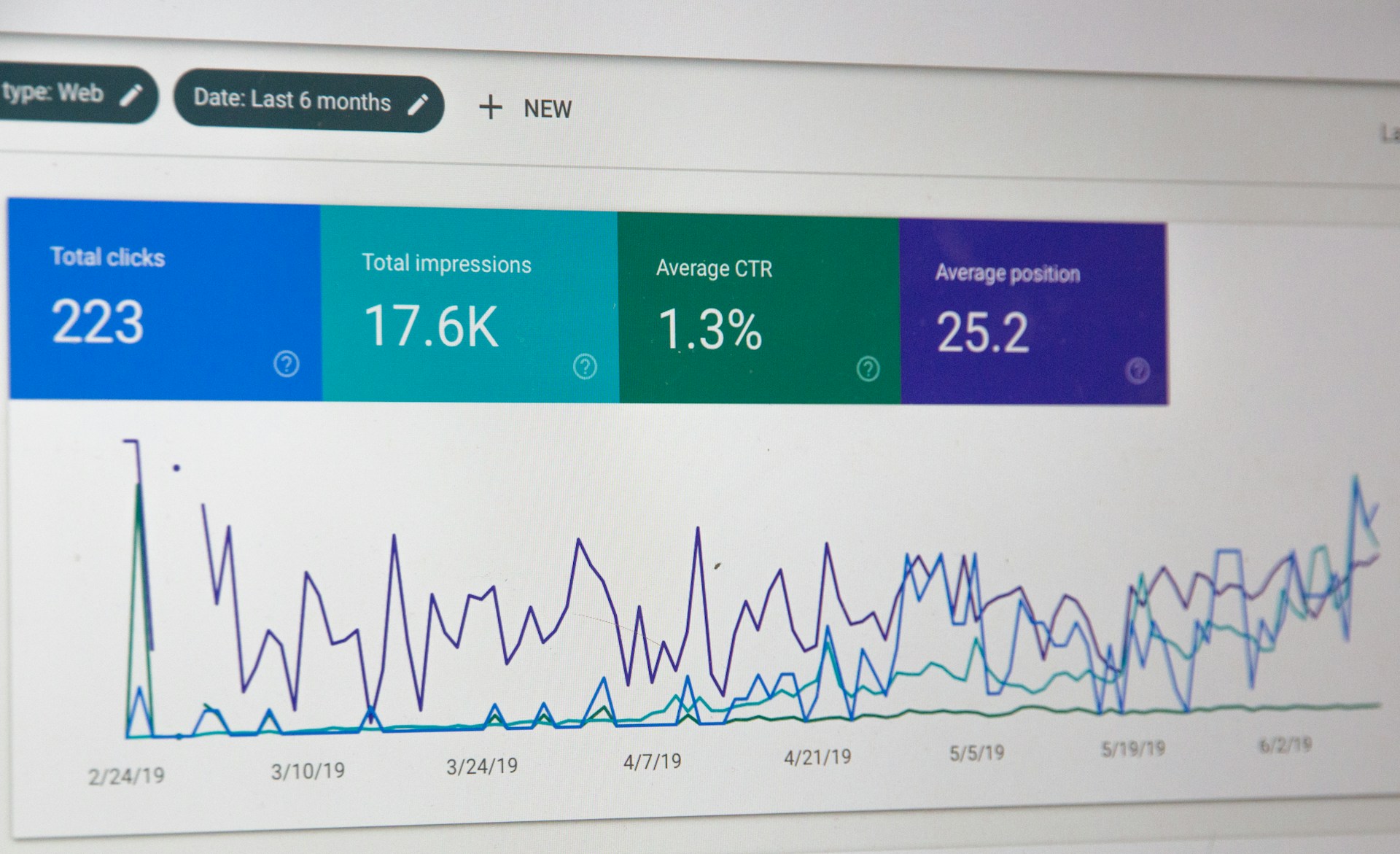

Most businesses running local campaigns in Brisbane can tell you how many clicks their ads received. Very few can tell you how many of those clicks turned into actual phone calls, let alone which campaign, page or platform was responsible.
That gap between digital activity and real customer conversations is exactly where call tracking comes in. By assigning unique tracking numbers to different marketing channels, you can see precisely which efforts are generating calls and which are quietly burning through budget without much to show for it.
This article walks through how to set up digital call tracking for local campaigns, how to use the data to sharpen your marketing decisions, and why the investment also makes good sense come financial year-end when you are reviewing your ATO deductions.
Why Call Tracking Matters for Local Marketing
Impressions and web traffic tell you people noticed you. Phone calls tell you people were ready to act. For most local businesses, the call is where the lead begins, and without tracking, there is no reliable way to know which part of your marketing made it happen.
That visibility matters for a few reasons.
When you can see which channels are driving calls, whether that is Google Ads, your Google Business Profile, a local directory or organic search, you can put more weight behind what is working and pull back on what is not. It also gives you something concrete to bring to leadership when marketing spend comes under scrutiny. Real call data tied to real campaigns is a much stronger conversation than traffic reports and click-through rates.
Your Digital Solution works with Brisbane businesses to integrate call tracking across Google Ads, Google Business Profile and local service landing pages, connecting the data points that often sit in separate systems.
Getting Started: The Tools You Will Need
The good news is that setting up call tracking is more straightforward than most people expect. The main decision is choosing a provider that plays well with the platforms you are already using.
What to Look For in a Call Tracking Provider
Local number options. You will want the ability to assign Australian landline or mobile tracking numbers across your key channels.
Platform integration. The provider should connect cleanly with Google Analytics, Google Ads, and your CRM, whether that is HubSpot, Salesforce or something else.
Channel level tracking. Look for the ability to assign a unique number to each source, paid search, organic listings, Google Business Profile, and so on, so the data is useful when you pull reports.
Once it is configured, the ongoing management is mostly a matter of reviewing the data and acting on it. Working with a specialist at setup stage saves a lot of troubleshooting later.
How to Set Up Call Tracking on Your Website and GBP
Call tracking only works if it is present at every point where someone might pick up the phone. That means your website and your Google Business Profile both need to be covered.
On Your Website
Add tracking numbers anywhere a phone number currently appears. Contact pages and landing pages are the obvious starting points, but also check any pop-ups, sticky headers or chat widgets that display your number.
The swap happens at the code level, so visitors see the tracking number without any friction on their end. The call still routes through to you exactly as it normally would.
On Your Google Business Profile
Keep your primary business number as the main listed number. Add the tracking number as the secondary. This approach protects your local SEO consistency while still giving you the data you need from GBP traffic specifically.
Also check that any call extensions in your Google Ads campaigns and any offline materials like flyers or signage are updated to use the relevant tracked lines.
Making the Most of Call Data to Improve ROI
Getting the tracking in place is step one. What you do with the data afterwards is where the real return comes from.
What to Pay Attention To
Call quality by source. Look beyond call volume and pay attention to which sources are producing longer, more substantive conversations. A channel that drives ten short calls may be worth less than one driving three genuine enquiries.
Missed calls and response windows. If calls are coming in during times your team is not available, that is a gap worth addressing. The data will show you when demand is highest so you can plan around it.
Campaign level adjustments. When the evidence shows clearly which channels are converting, you can shift budget with confidence rather than working on assumptions.
Using Call Tracking for ATO-Compliant Tax Deductions
Call tracking is not just a marketing tool. It is also a business expense that can work in your favour at tax time.
The ATO generally allows deductions for advertising and marketing costs that are directly connected to generating business income. Call tracking fits squarely within that category, and the costs involved are more claimable than many businesses realise.
What You Can Typically Claim
Platform subscription costs. Your monthly or annual call tracking software fee is a legitimate business expense.
Setup and integration fees. Any professional costs associated with configuring the system are also claimable.
Associated ad spend. Campaigns running through tracked numbers form part of the broader marketing investment tied to lead generation.
Why Documentation Matters
The strength of any tax claim comes down to the records behind it. Call tracking makes this easier because the data already exists. You have clear evidence of which campaigns generated leads, what the costs were, and how those activities connected to business revenue.
That documentation does double duty. It supports your EOFY deductions and gives you a cleaner picture of marketing ROI to bring into budget conversations throughout the year.
As always, confirm the specifics with your accountant, since deductibility depends on your individual business circumstances.
FAQ: Common Call Tracking Questions Answered
Q: What is call tracking and how does it work?
A: Call tracking assigns unique phone numbers to different marketing channels such as Google Ads, your website or Google Business Profile. When someone calls that number, the system records which campaign or source generated the call, helping you understand which marketing activities are producing real leads.
Q: Why is call tracking important for local businesses?
A: For many local businesses, phone calls are the main way customers make enquiries. Call tracking shows which marketing channels drive those calls, allowing you to invest more in campaigns that generate genuine enquiries rather than relying only on website clicks.
Q: Will using tracking numbers affect my local SEO rankings?
A: No, when implemented correctly. The best practice is to keep your primary business phone number listed as the main number on your Google Business Profile and add tracking numbers as secondary or dynamically on your website.
Q: How many tracking numbers should a business use?
A: Ideally, each marketing channel should have its own number. For example, separate numbers for Google Ads, organic search, your website and your Google Business Profile allow you to see exactly where calls are coming from.
Q: Can call tracking integrate with tools like Google Analytics or CRMs?
A: Yes. Most modern call tracking platforms integrate with tools such as Google Analytics, Google Ads and CRMs like HubSpot or Salesforce. This allows you to link calls with website activity and customer records.
Q: Is call tracking tax deductible in Australia?
A: In many cases, yes. Call tracking software, setup costs and related marketing expenses are generally considered advertising or marketing costs, which may be deductible under ATO rules. Always confirm the details with your accountant.
Q: Is call tracking difficult to set up?
A: Not usually. Most systems require adding tracking numbers to your website and marketing channels. Many businesses choose to work with a digital marketing provider to ensure the setup integrates correctly with their analytics and CRM tools.
Getting More From Your Local Marketing in Brisbane
Most businesses are already spending money on digital marketing. The question is how much of that spend is actually traceable to a real conversation with a real customer.
Call tracking closes that gap. It connects the campaigns you are running to the calls coming in, gives you the data to make smarter decisions about where your budget goes, and builds the kind of documentation that supports both ROI reporting and EOFY deductions.
For Brisbane businesses competing in a market that moves quickly, that level of clarity is worth a lot.
Your Digital Solution helps businesses integrate call tracking across their digital campaigns, from Google Ads and organic search through to Google Business Profile and local landing pages. To get more value from your local digital marketing in Brisbane, let us discuss how we can support your growth.